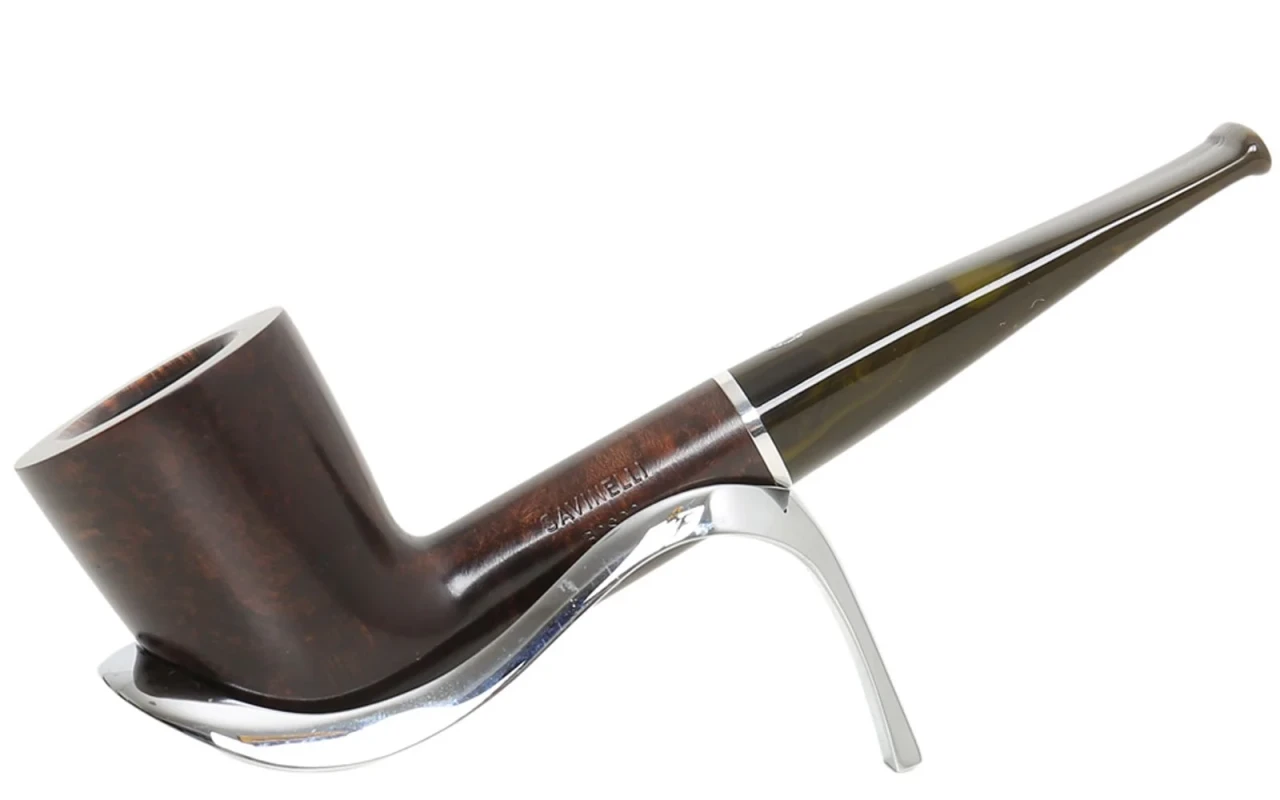
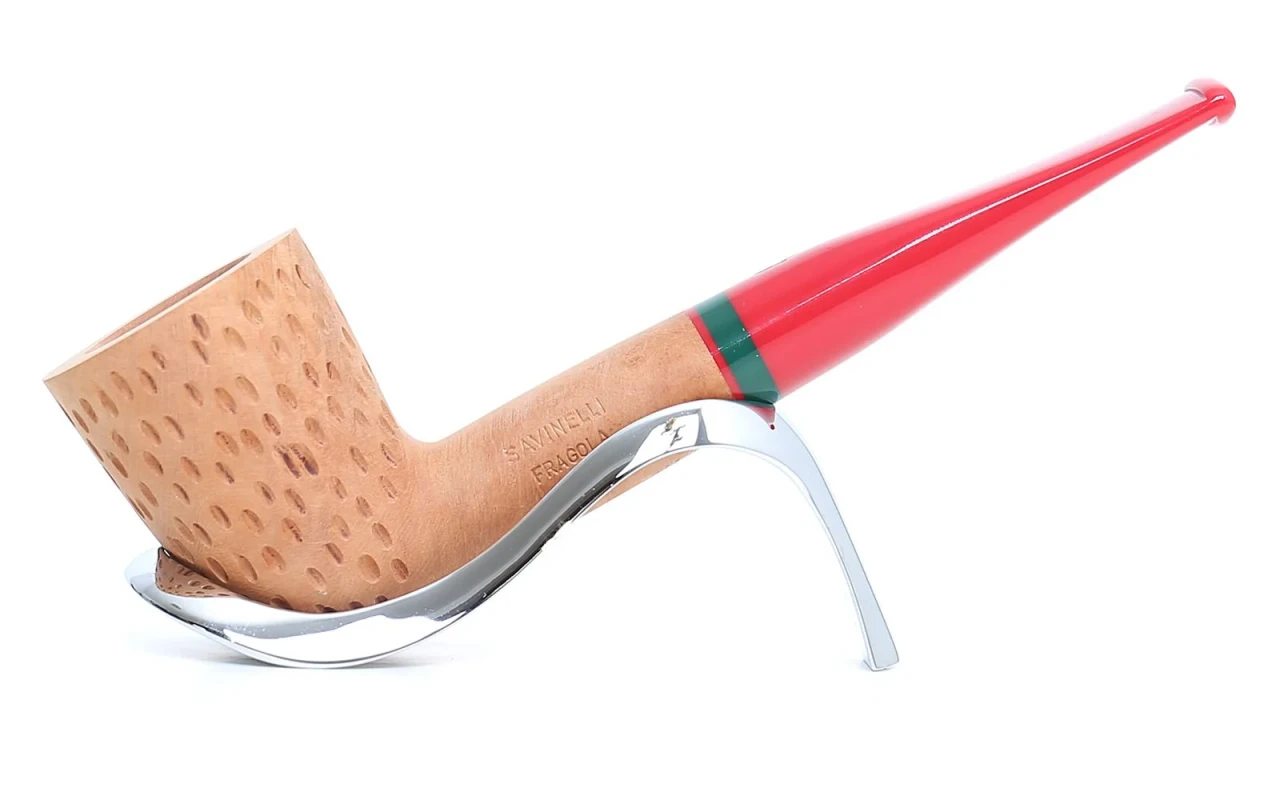
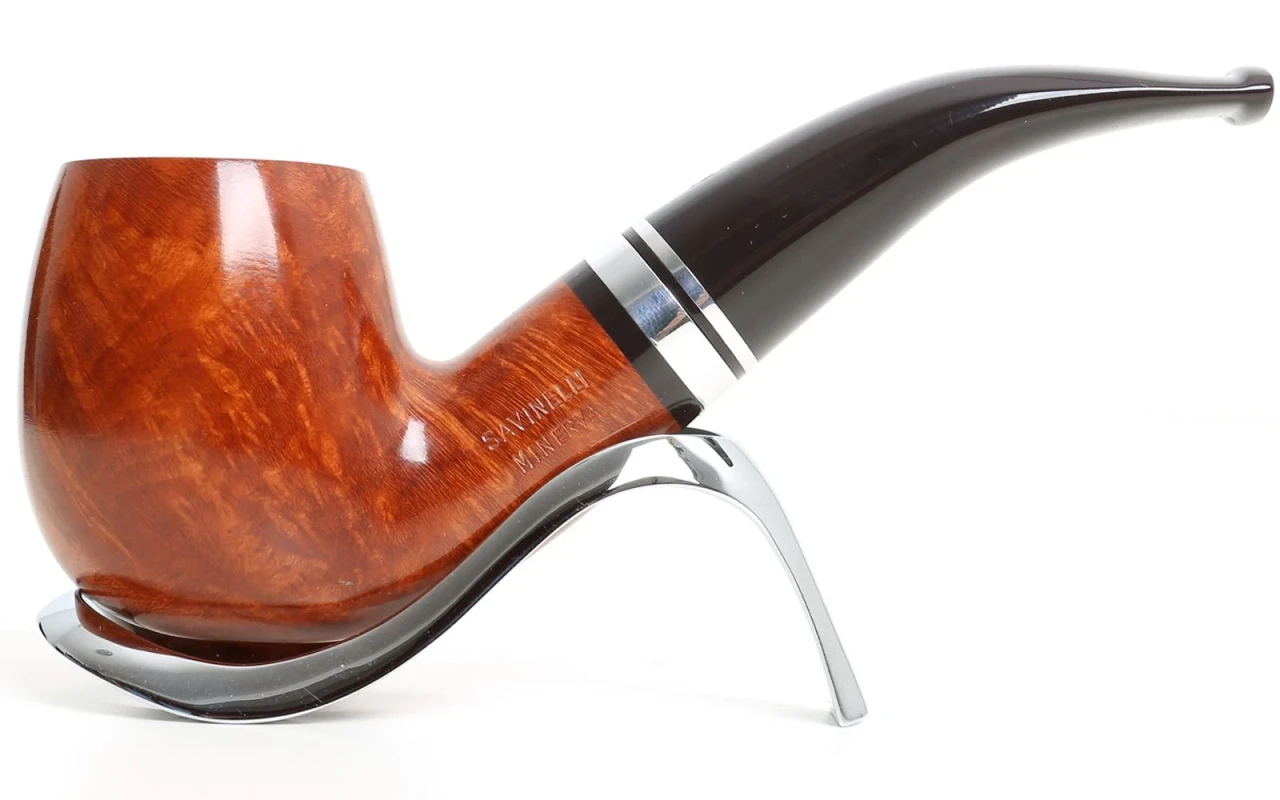
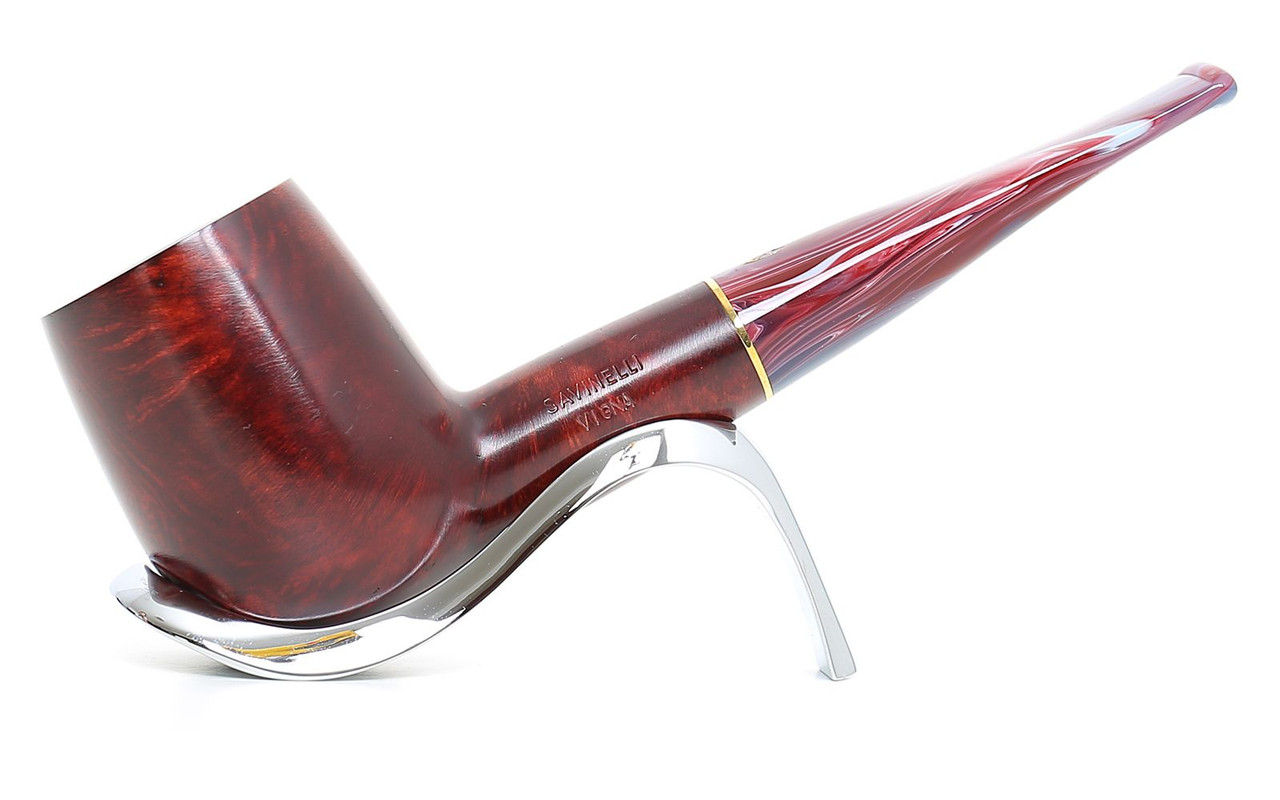
Erica briar is the most common material for pipes, valued for its durability and moisture absorption, while olive briar is less common, offering a finer grain and a different aesthetic, often lighter with distinct veining. Both affect the pipe's appearance and feel.
What is the difference between Erica briar and olive briar in pipes? Deep dive
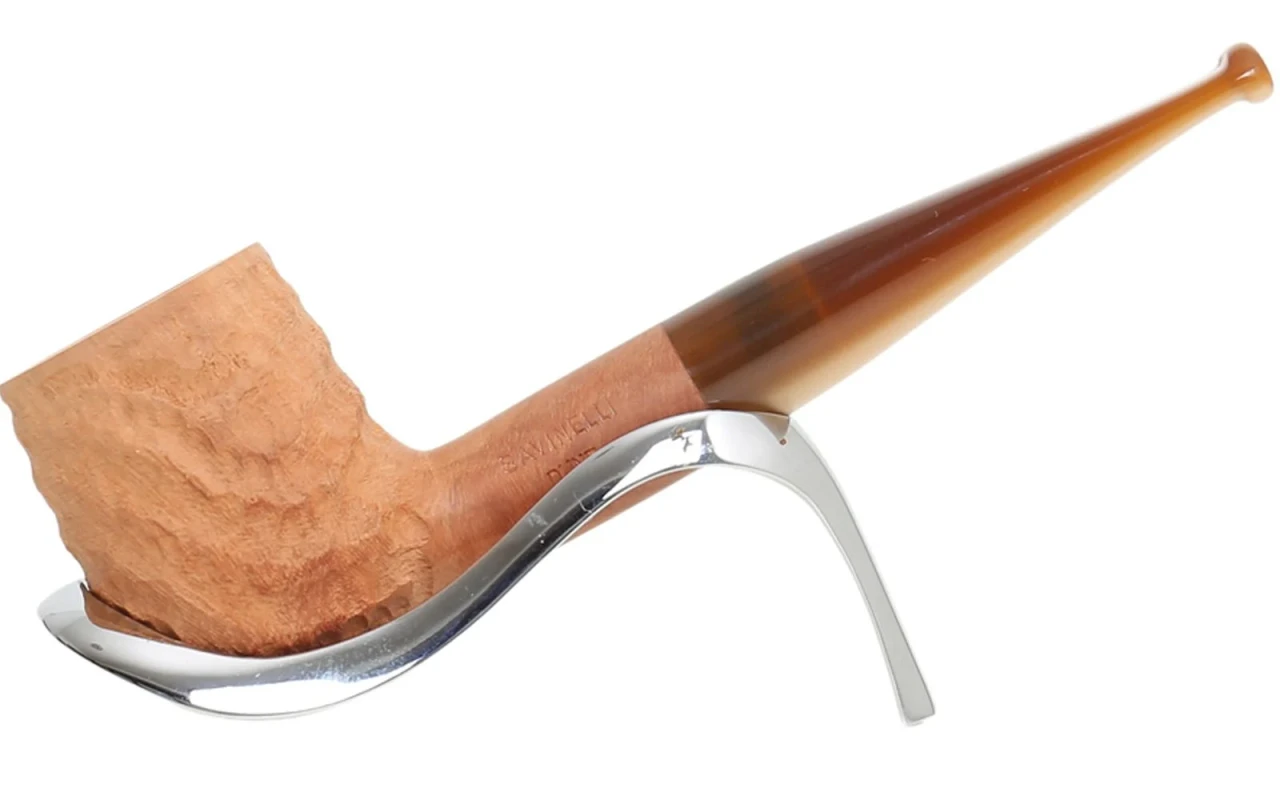
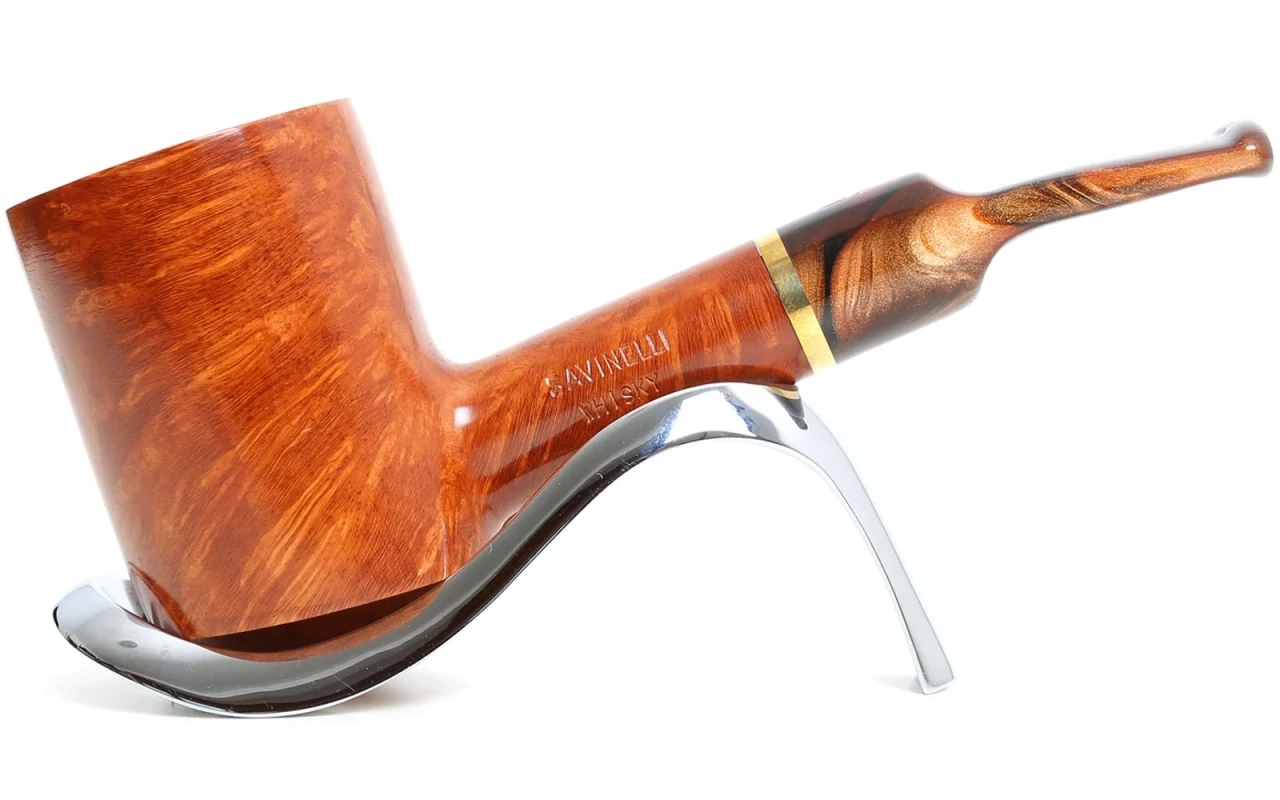
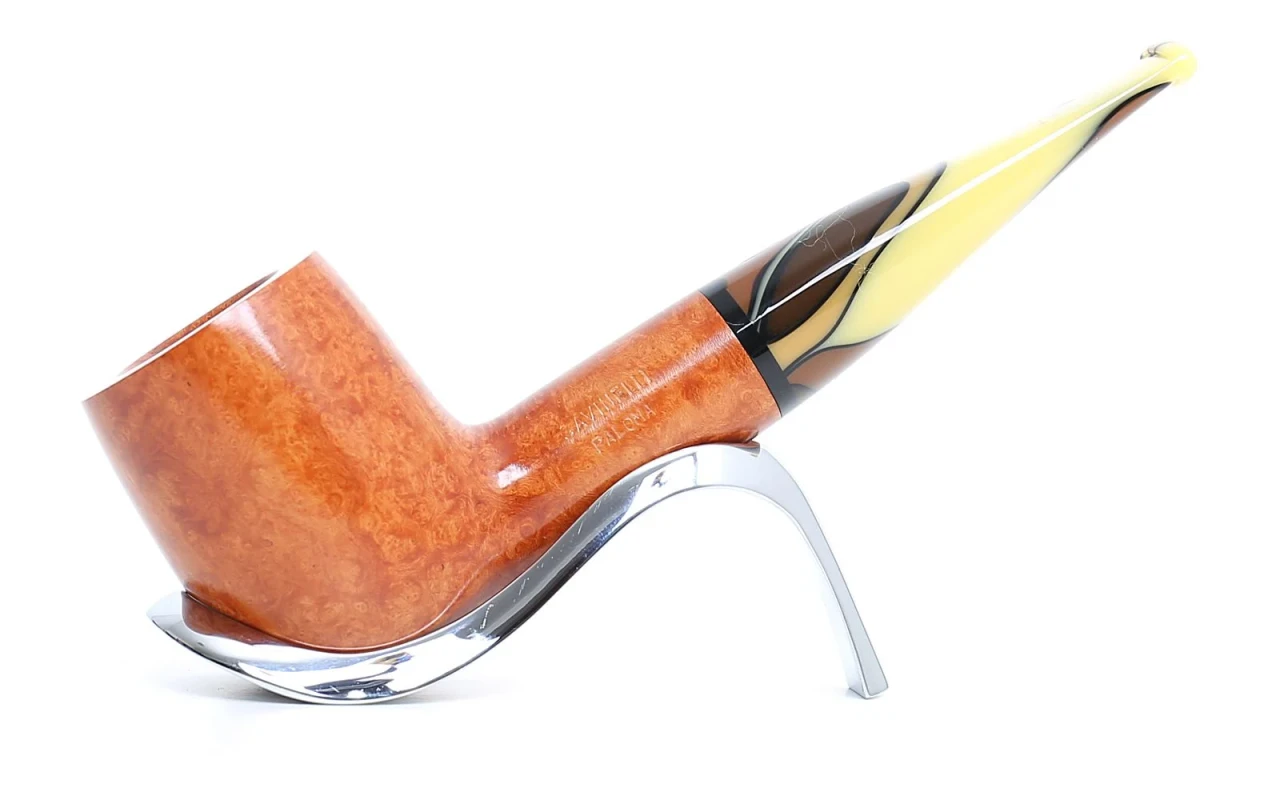
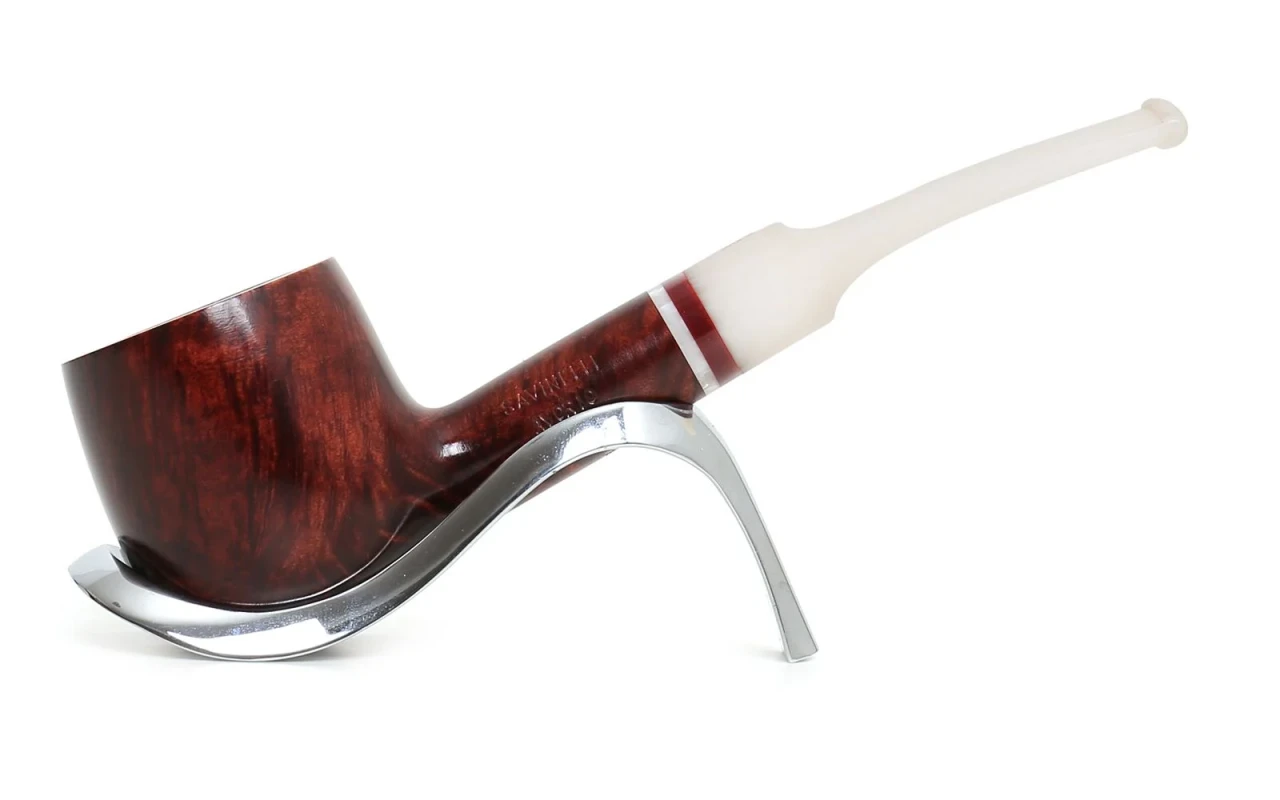
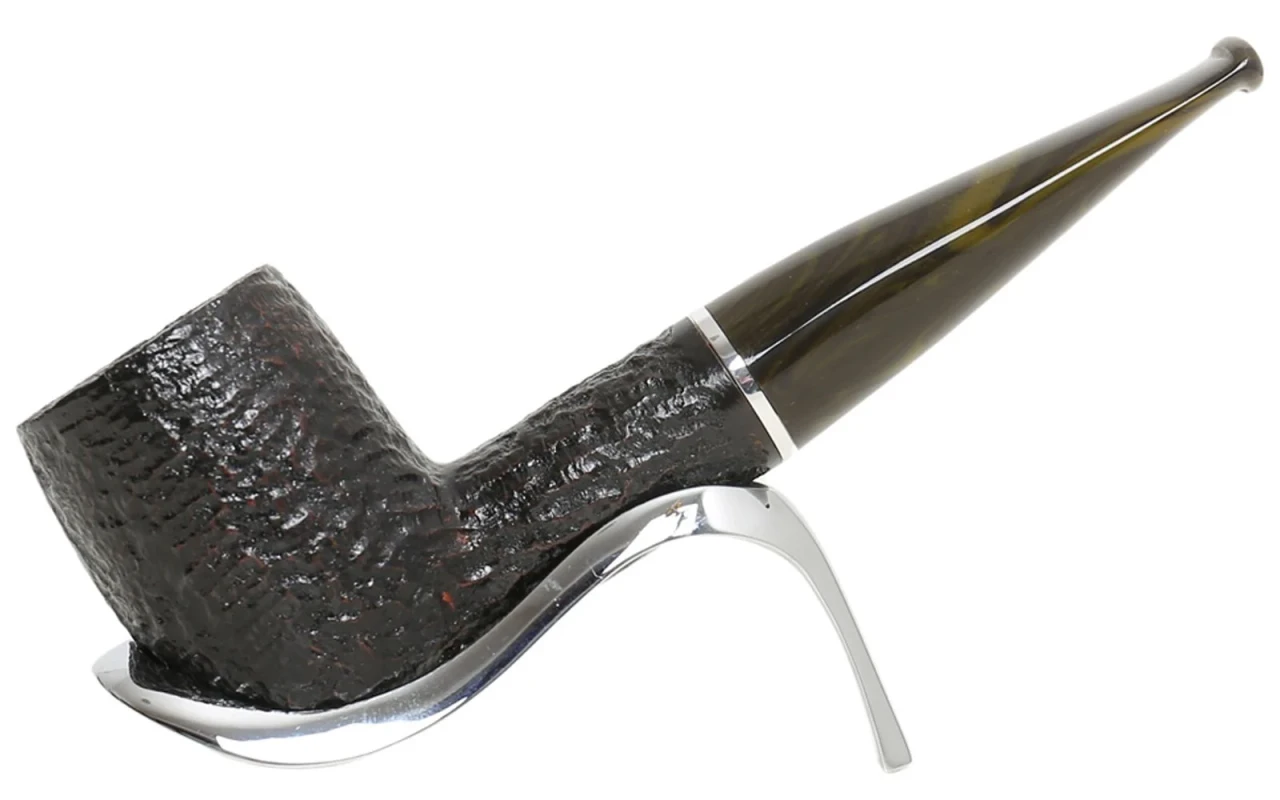
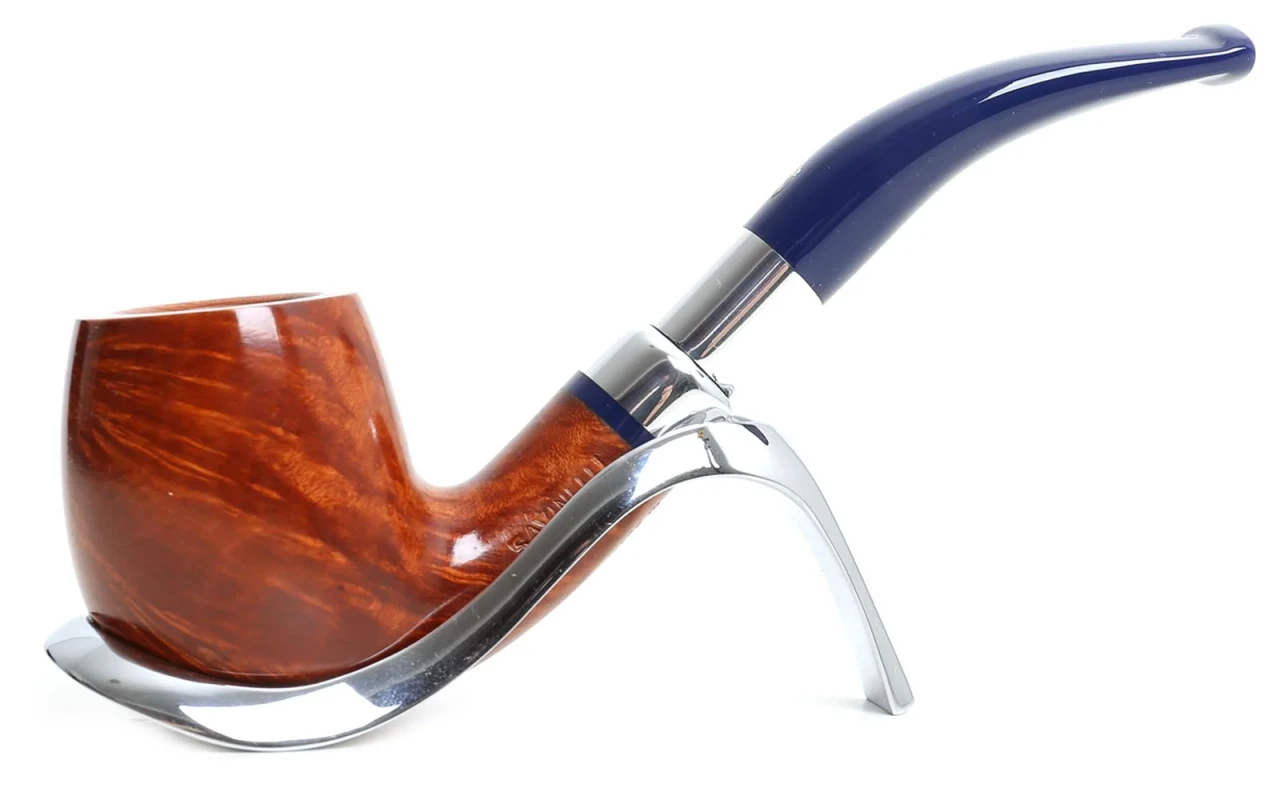
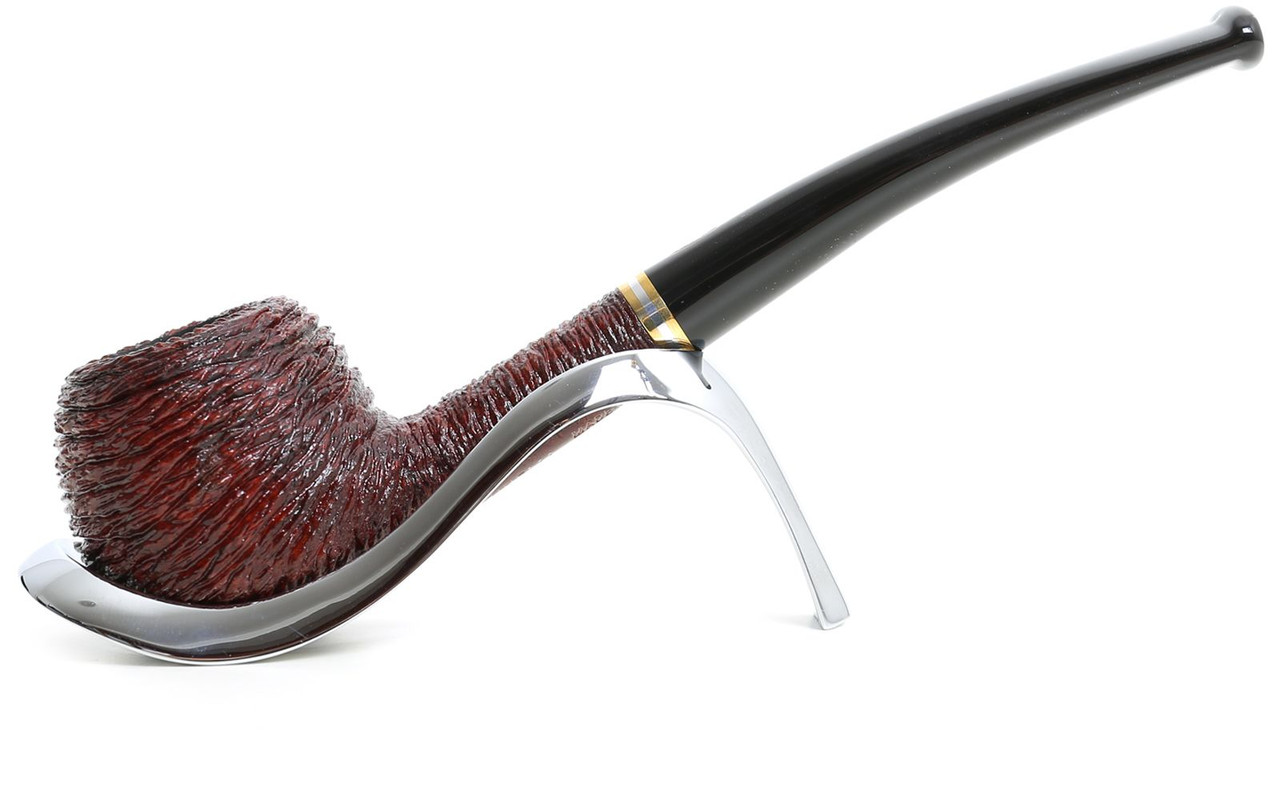
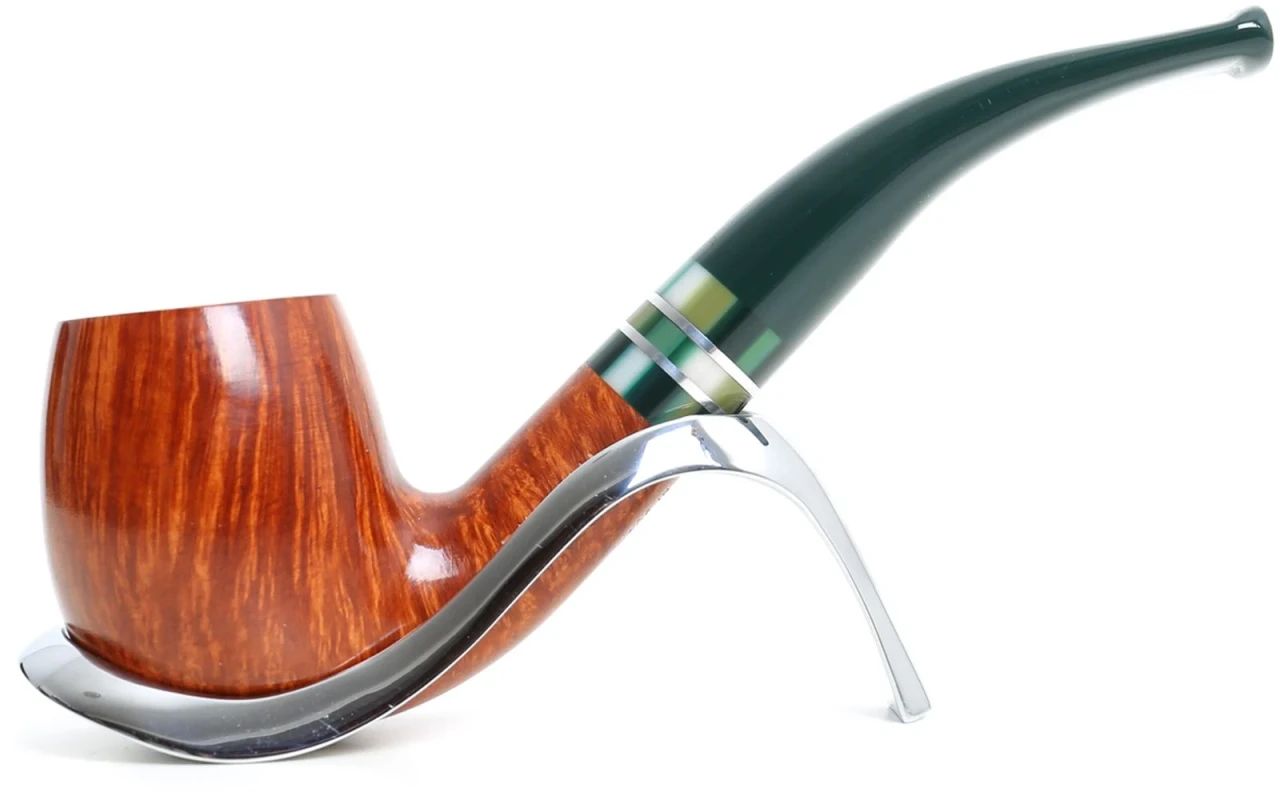
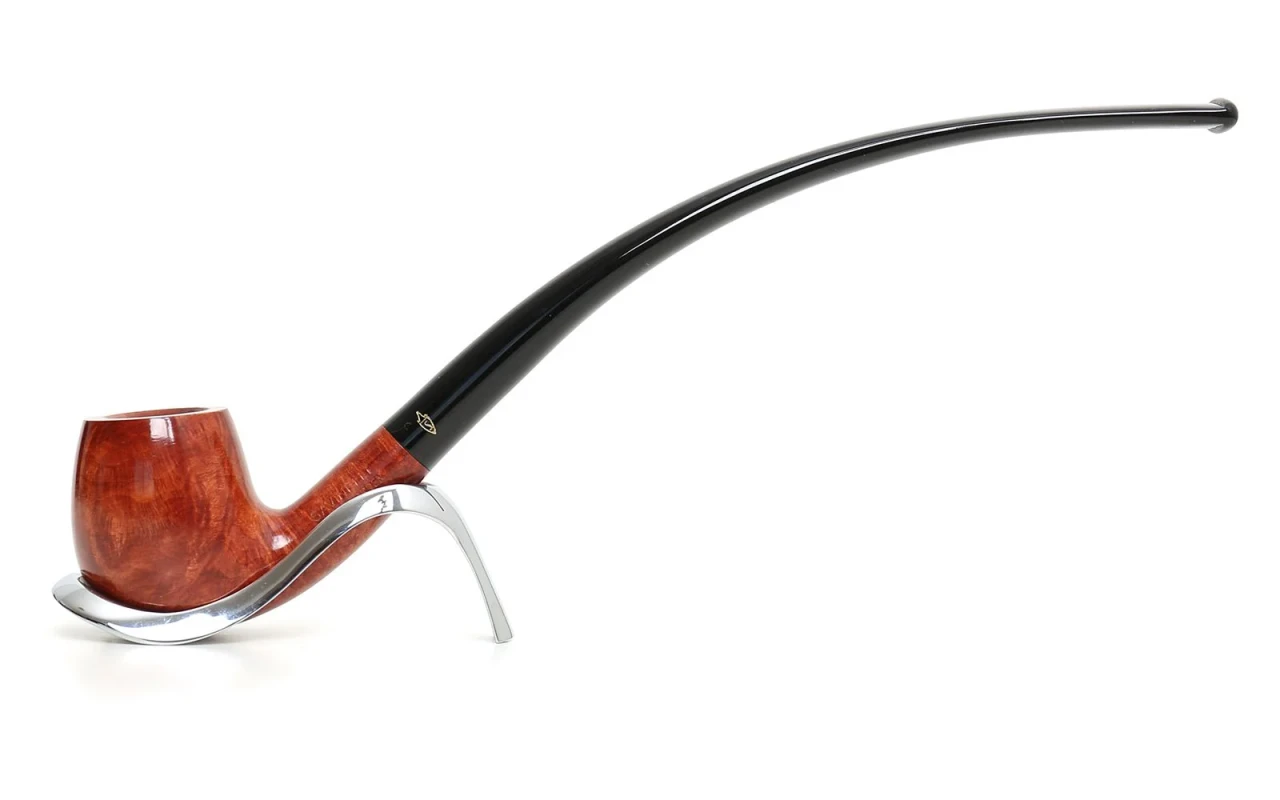
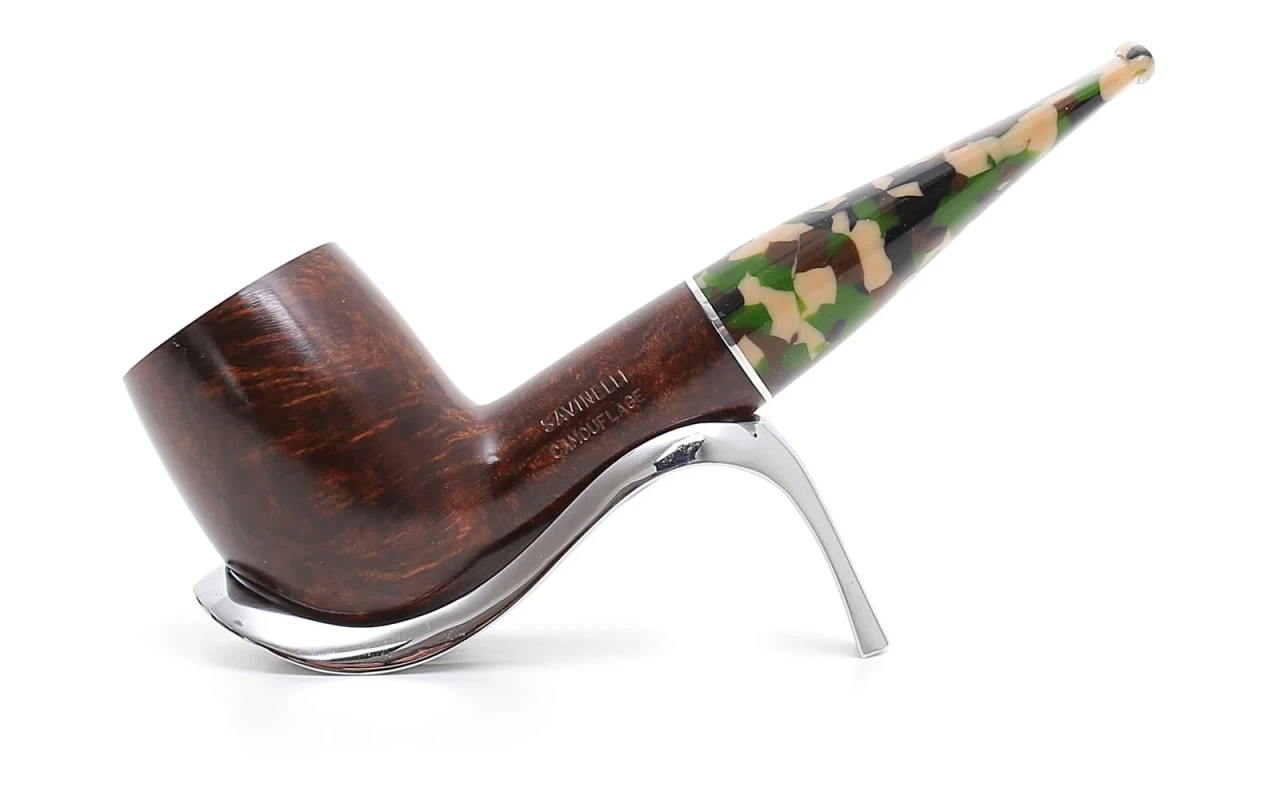
Erica briar is the traditional wood used for pipe making due to its high heat resistance and ability to absorb moisture produced during tobacco combustion. This material comes from the Erica arborea plant found throughout the Mediterranean basin and features a compact structure with a grain ranging from fine to medium, imparting a classic and sturdy look to the pipe. Olive briar, on the other hand, is less common and comes from olive wood, known for its hardness and highly decorative, often lighter veining compared to Erica briar. This wood gives the pipe a more unique and refined aesthetic, with a smooth and glossy surface that may require more delicate maintenance. Functionally, both briars are suitable for pipe construction, but Erica briar is preferred for superior moisture management and greater heat resistance, whereas olive briar is typically chosen for its visual appeal and for those seeking a less traditional alternative. The choice between the two ultimately depends on personal taste and the relative importance given to the pipe’s visual aspects versus its technical characteristics.