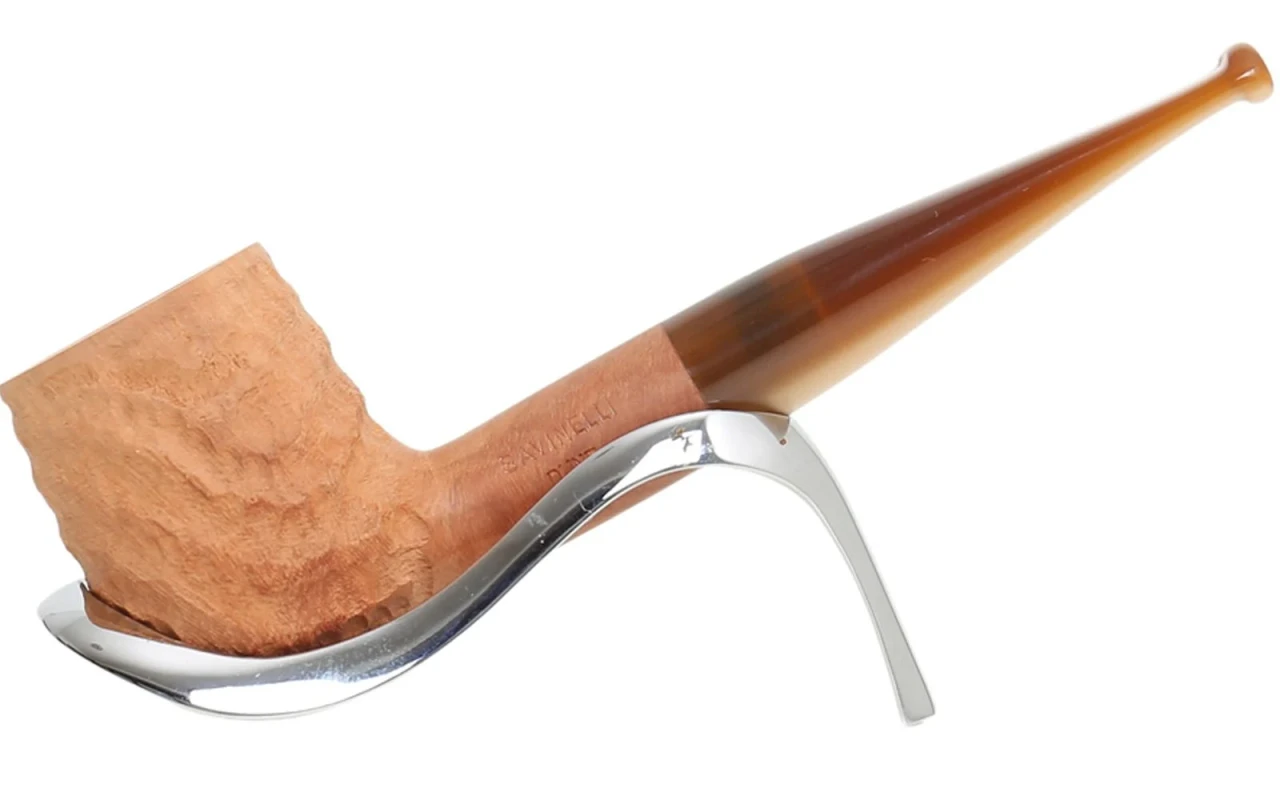
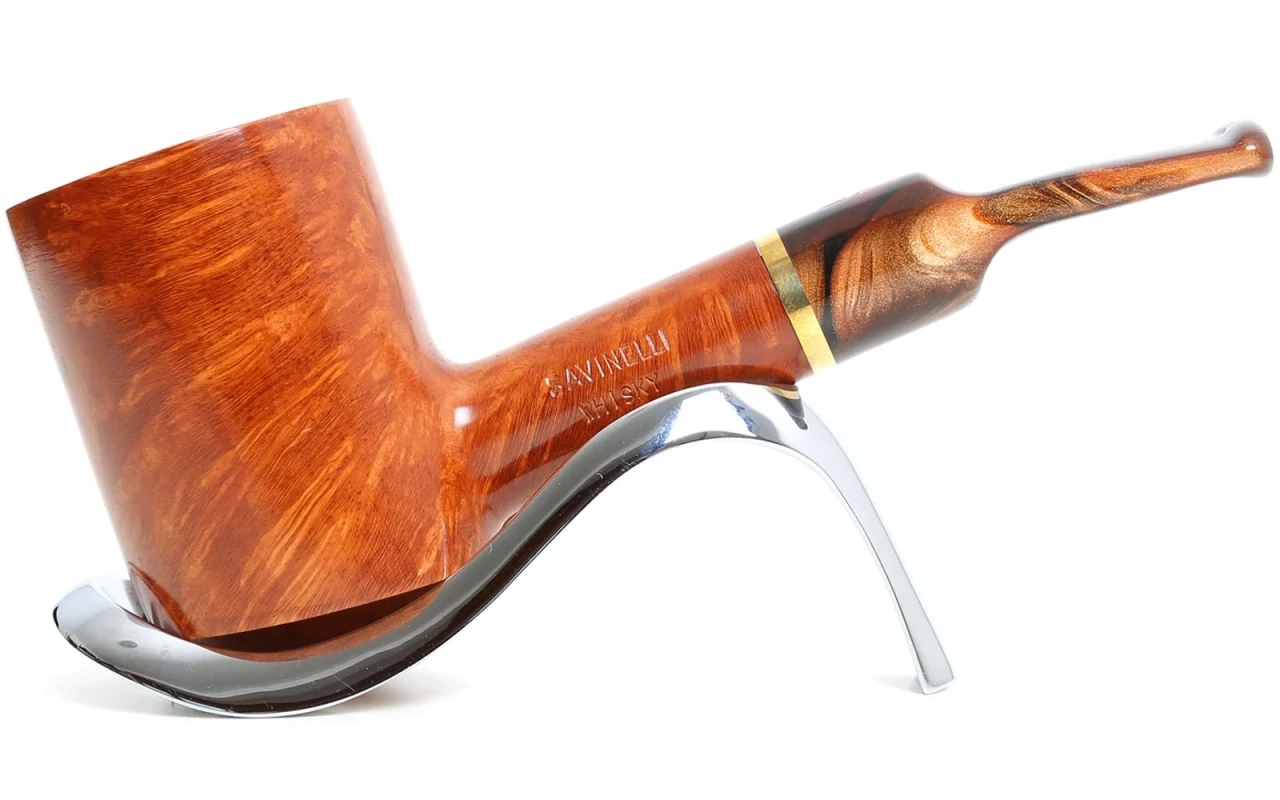
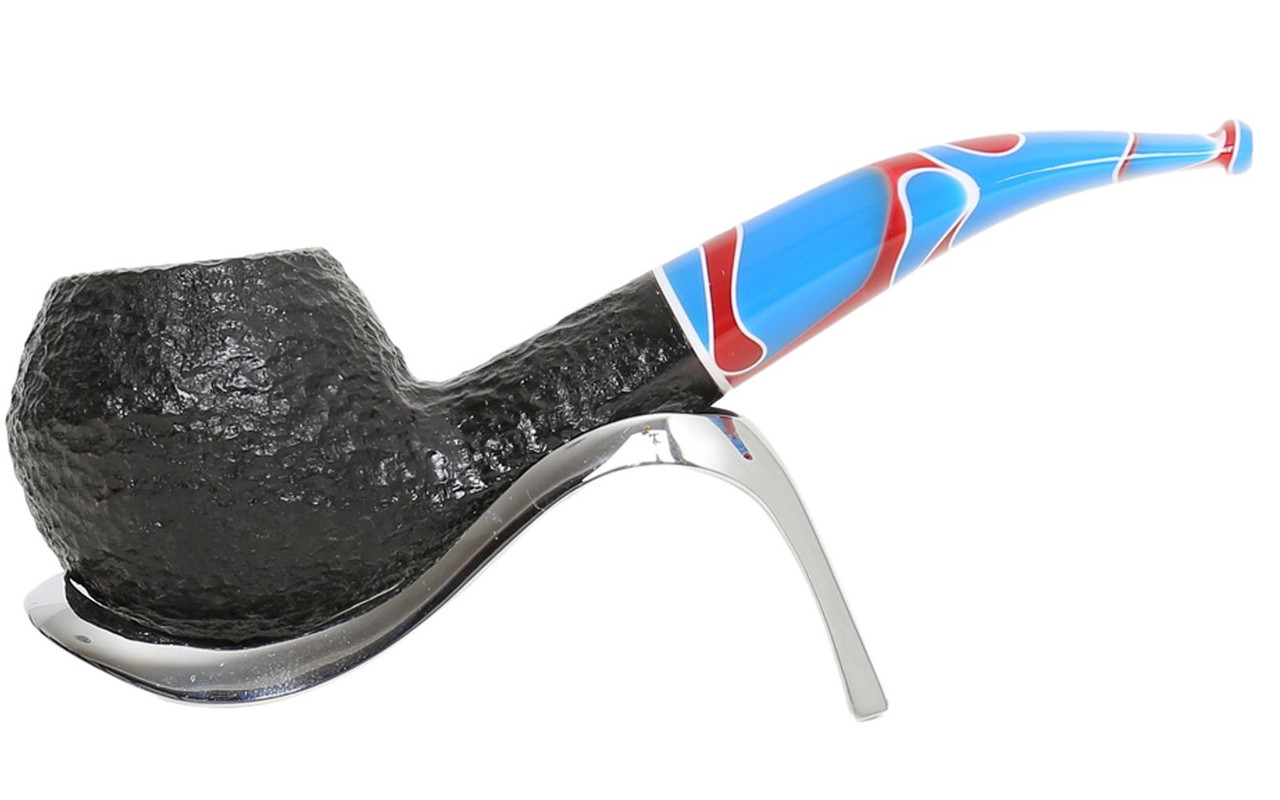
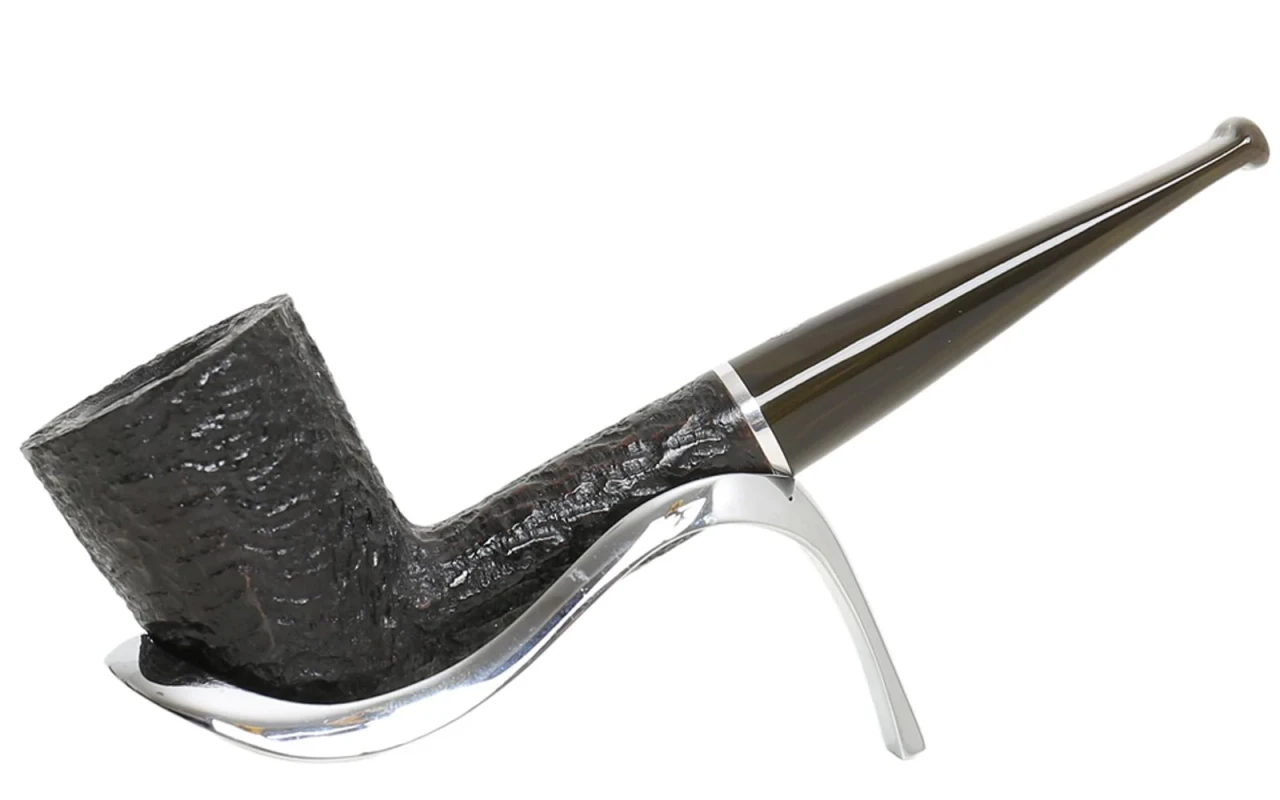
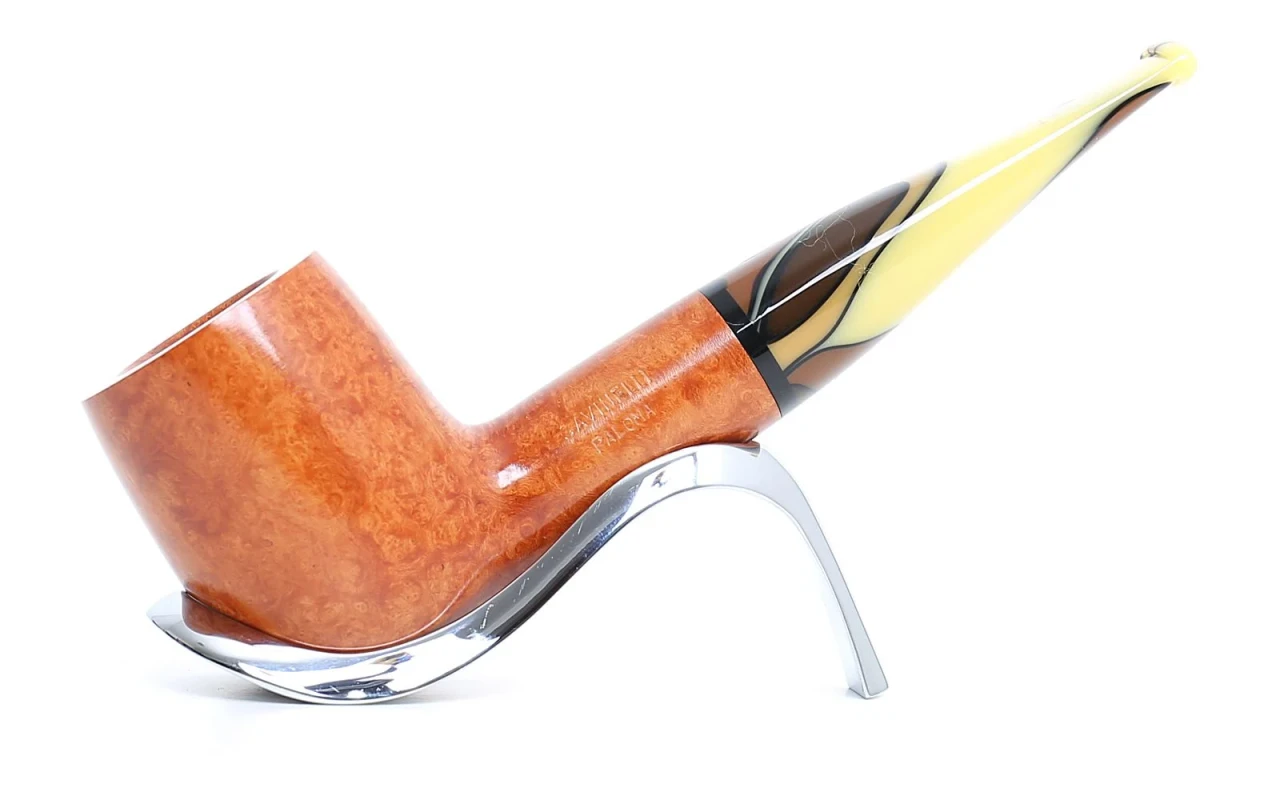
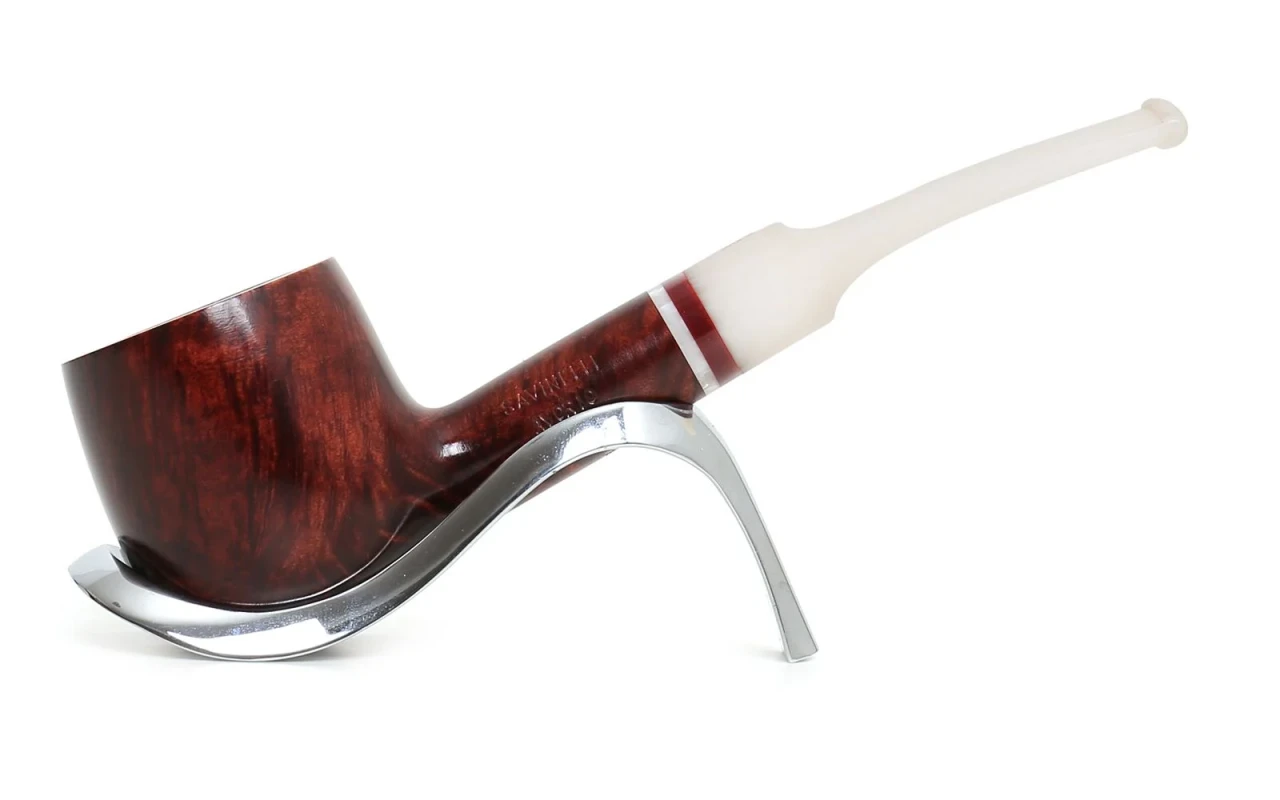
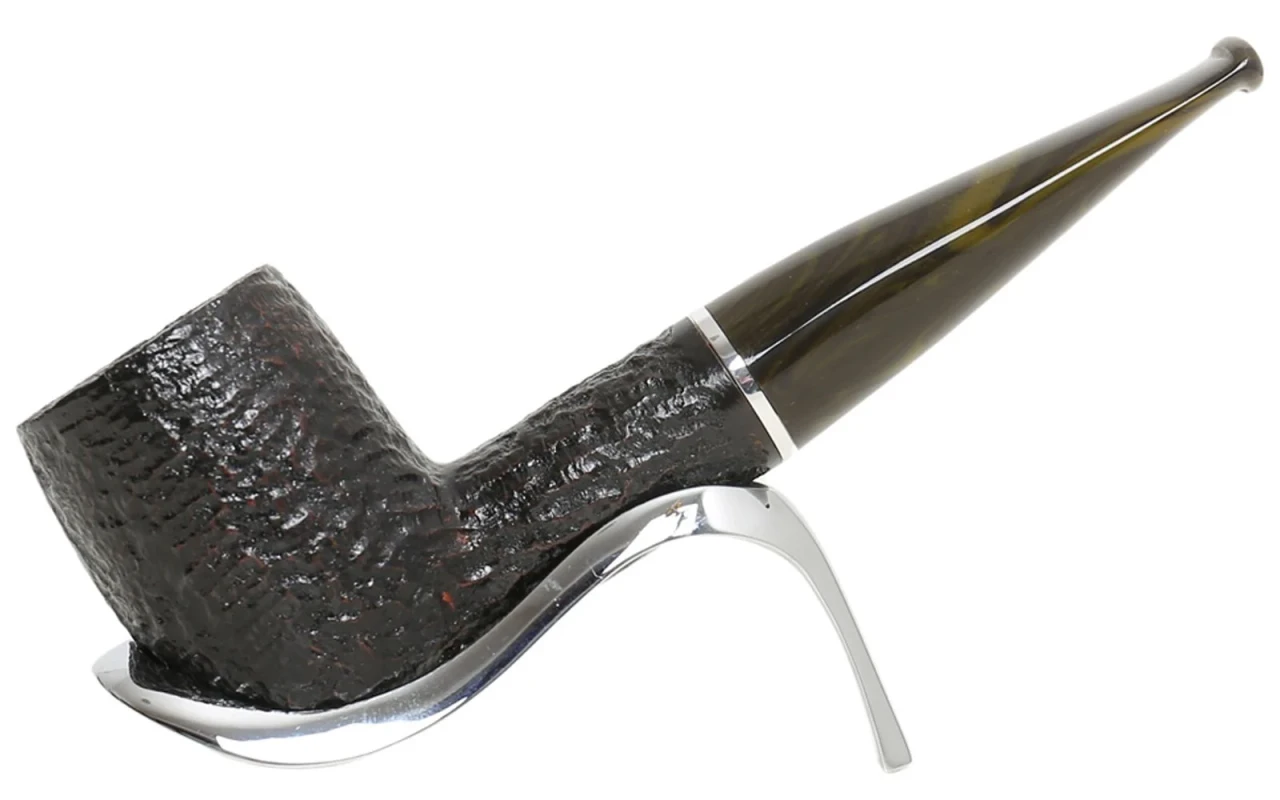
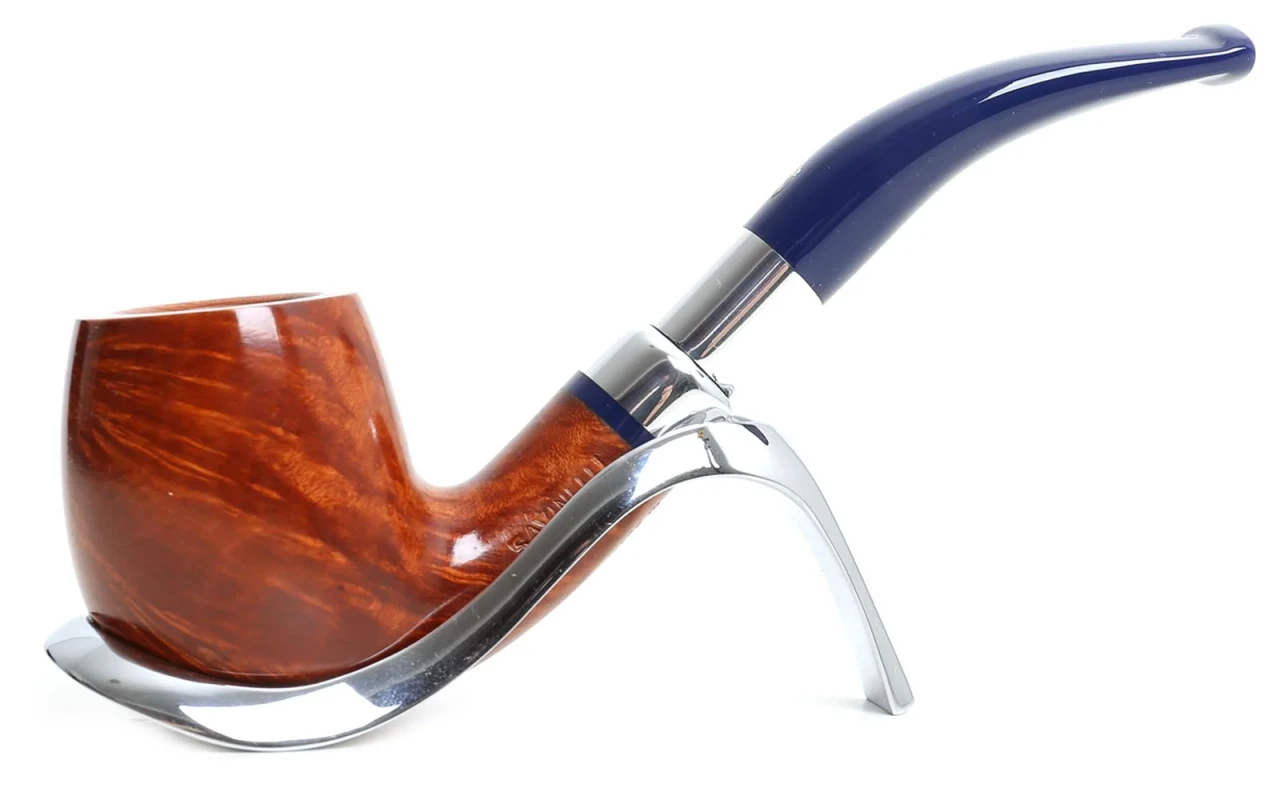
The pipe's material significantly impacts the tobacco's flavor. Woods like briar are valued for their neutrality and ability to enhance the tobacco's notes, while materials such as corn or boxwood can add different aromatic nuances. Metals or ceramics also influence heat distribution and thus affect the taste during smoking.
Which materials affect the taste of tobacco in the pipe? Deep dive
The material from which a pipe is made plays a fundamental role in the smoking experience, directly influencing the taste of the tobacco. Briar, derived from the root burl of Erica arborea, is the most common and appreciated for its heat resistance and its ability not to alter the tobacco’s flavor, providing a clean and neutral smoke. Other materials such as corn, often used for budget or beginner pipes, impart a sweeter and lighter taste, while boxwood or cherry wood can add particular aromatic notes. Non-organic materials like ceramic or metal affect heat conduction and can change the combustion temperature, thereby impacting the perceived aromatic profile. The choice of material is therefore crucial for those wishing to personalize their smoking experience, balancing durability, maintenance, and the organoleptic characteristics of the tobacco.