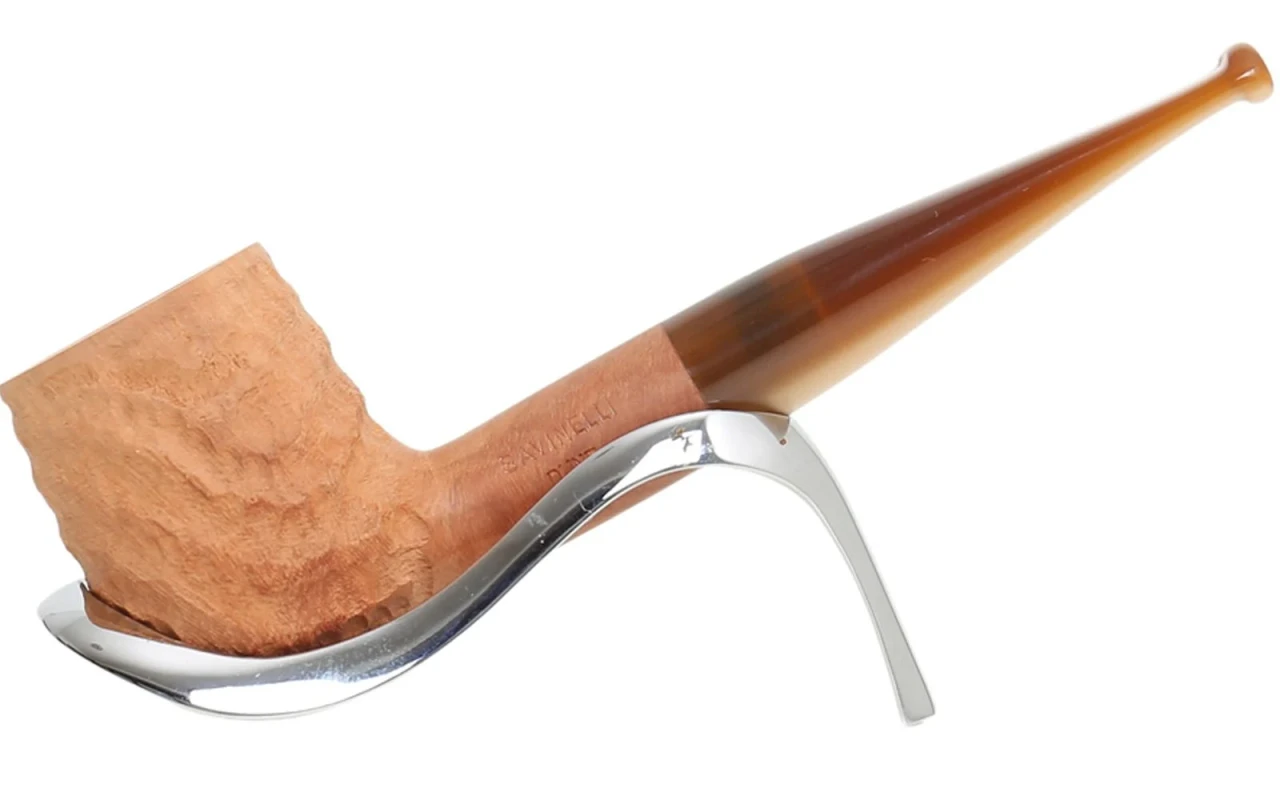
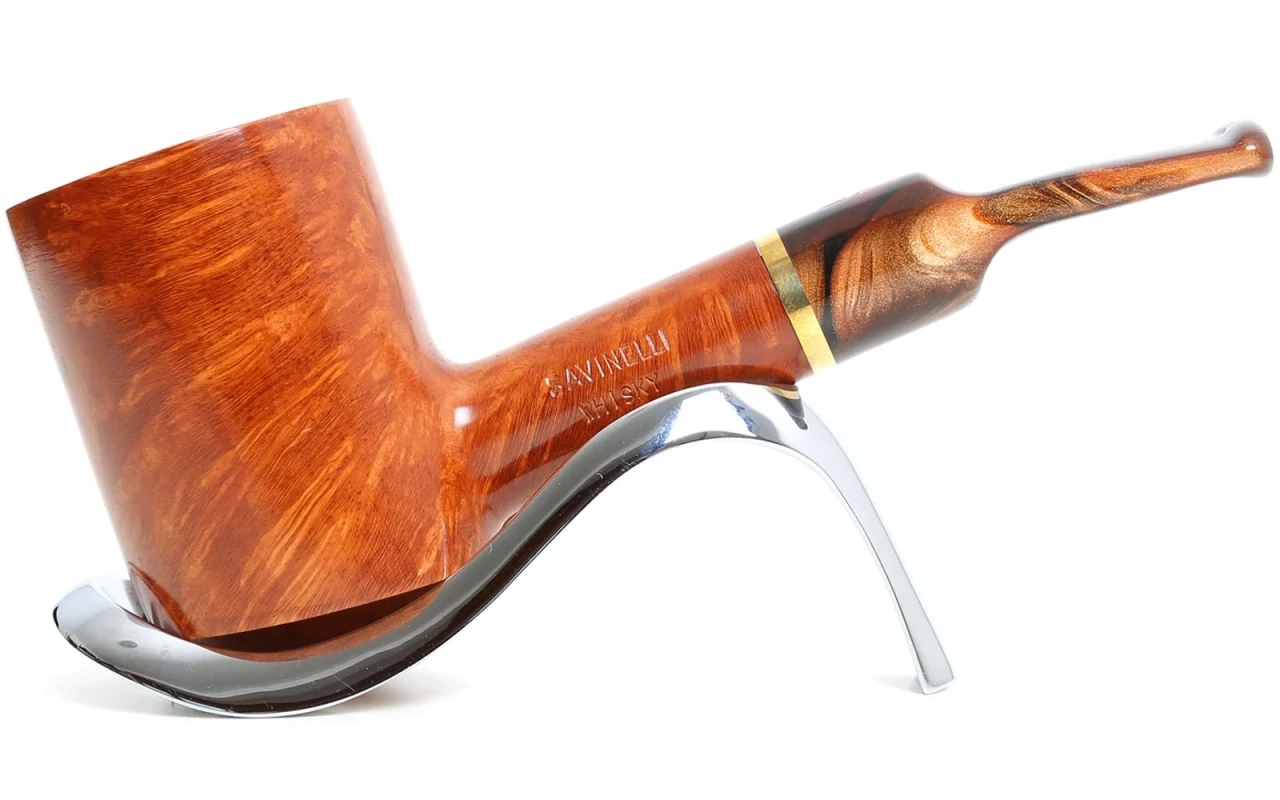
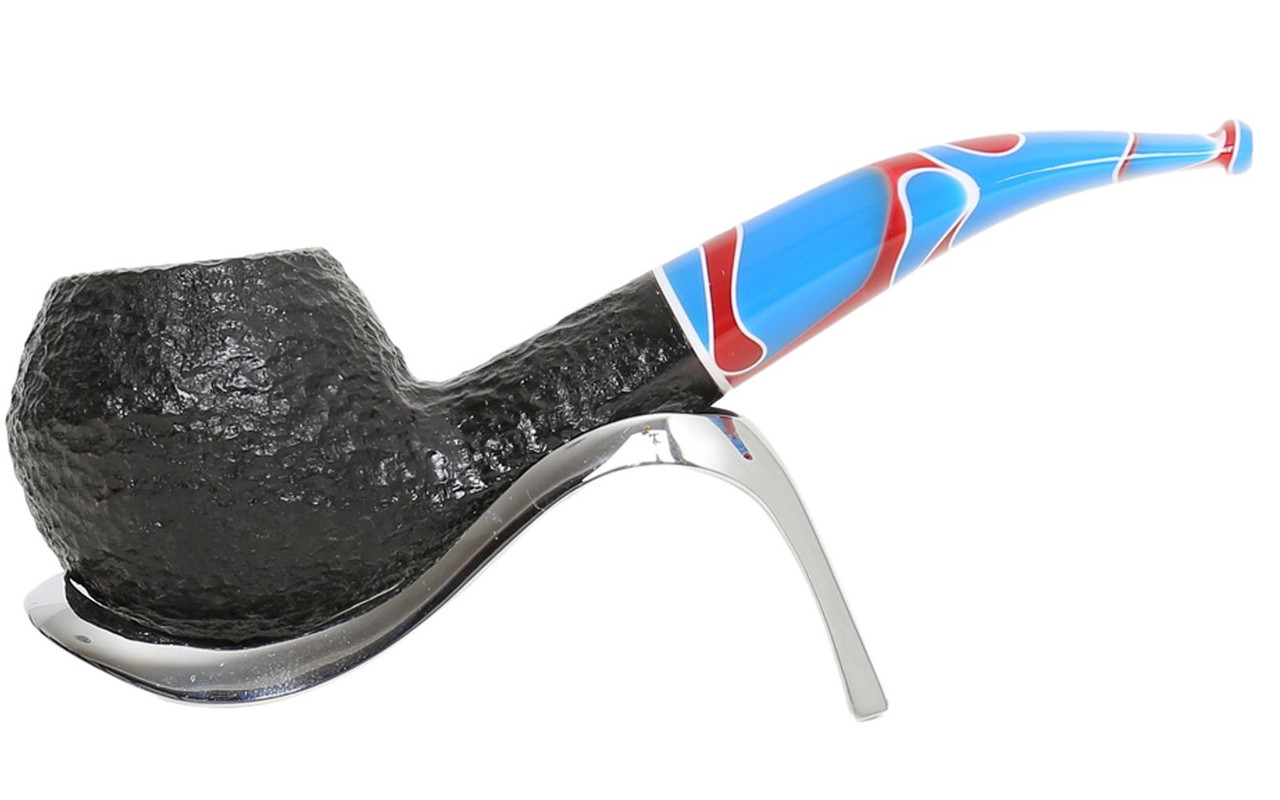
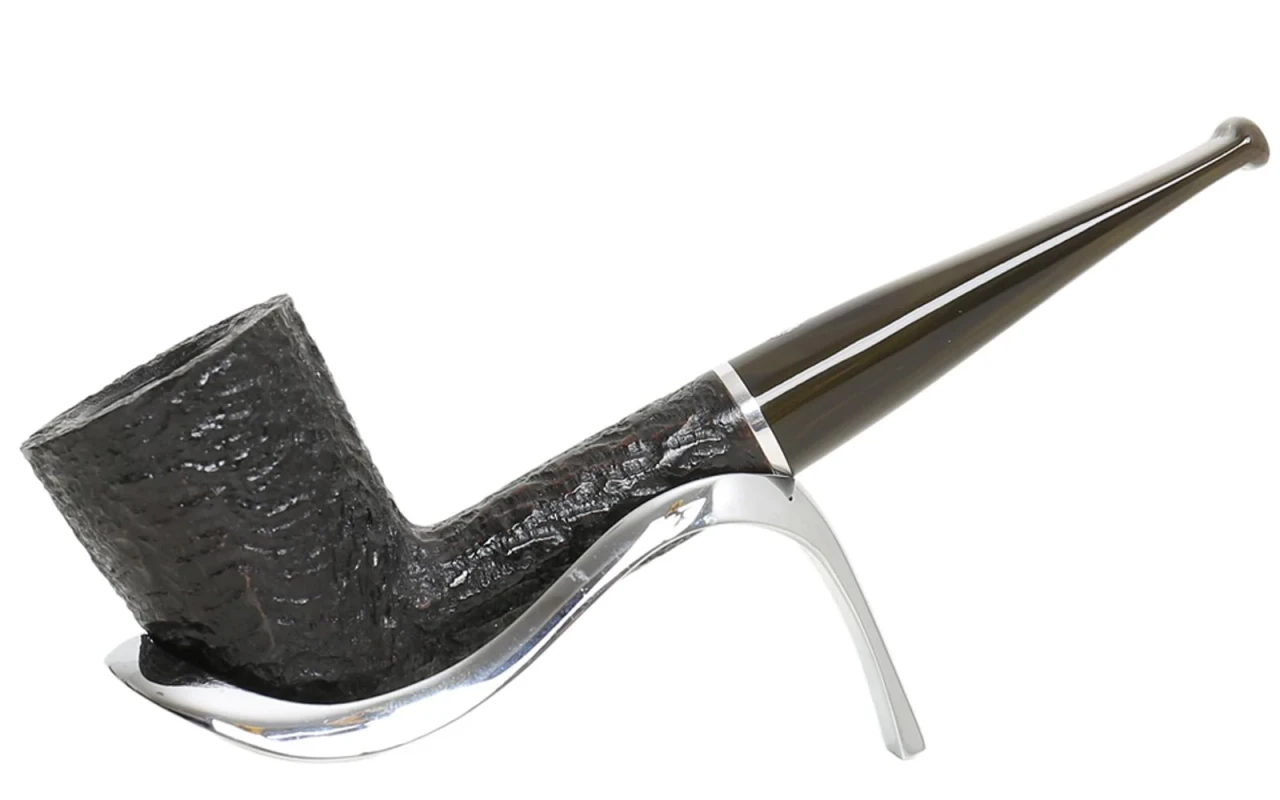
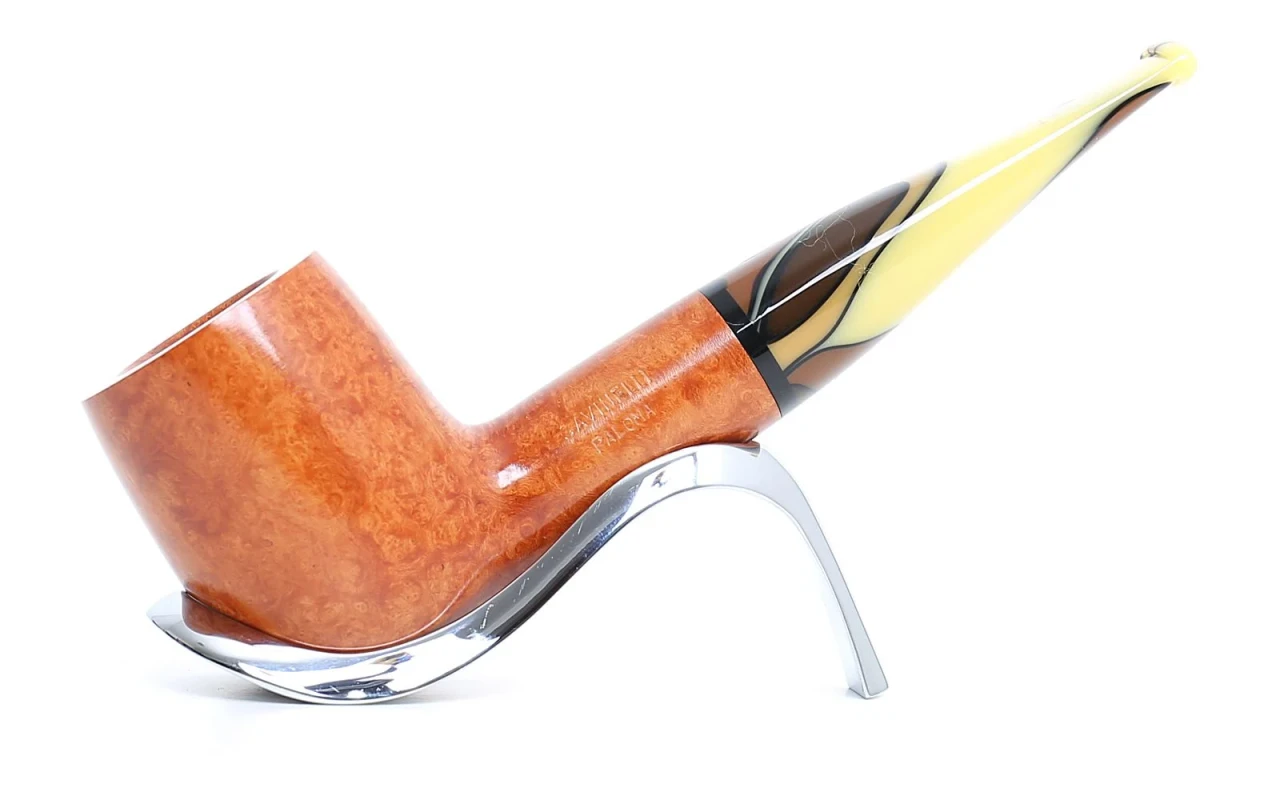
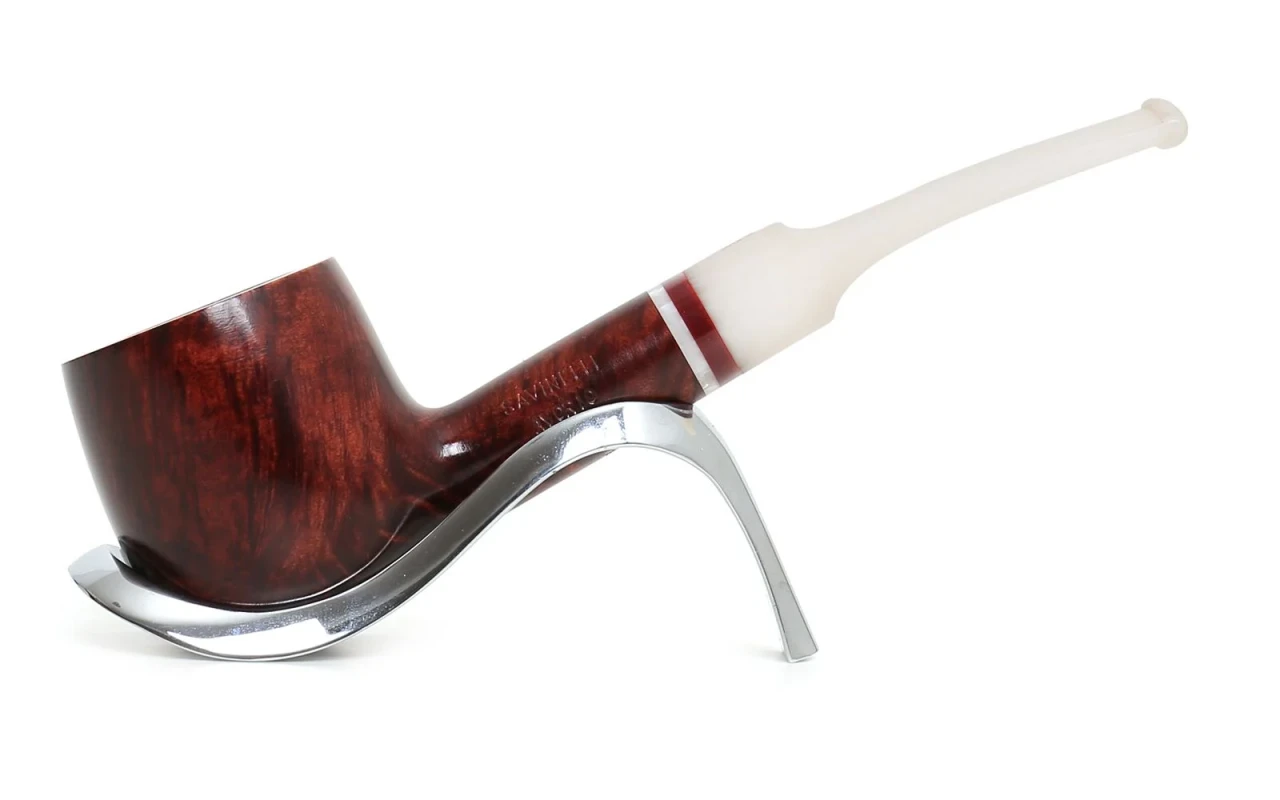
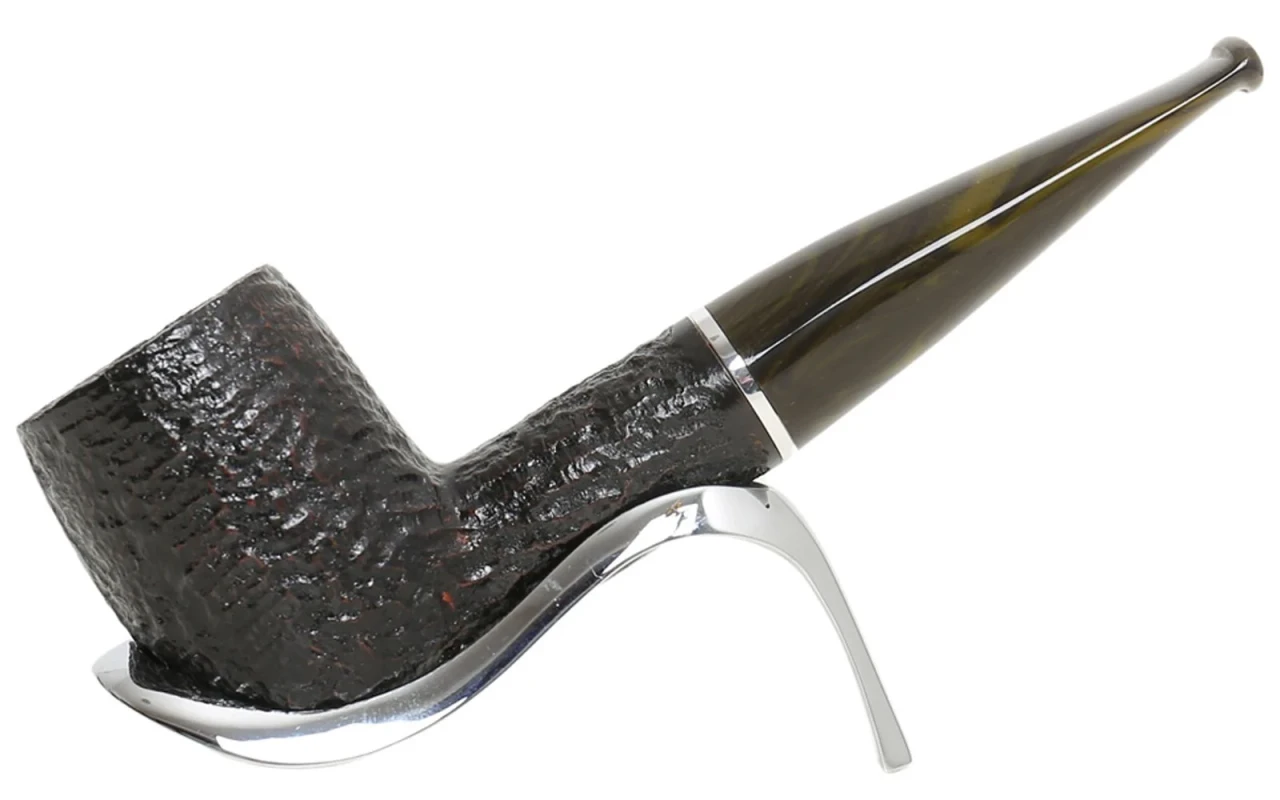
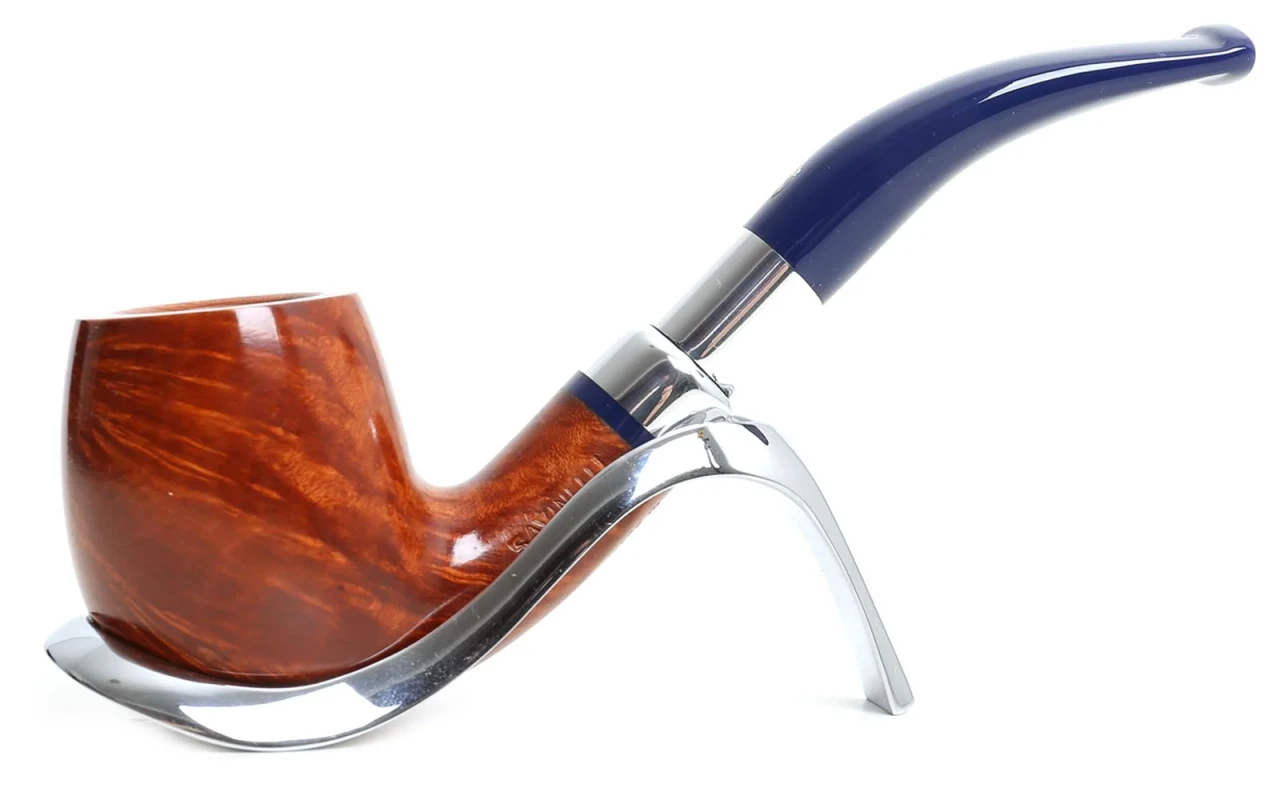
The army pipe features a sturdier and often shorter tenon system designed to withstand tough outdoor conditions, while the traditional tenon pipe uses a longer, thinner tenon that fits the stem in a classic manner. This difference affects stability and maintenance.
What is the difference between an army pipe and a traditional tenon pipe? Deep dive
The main difference between an army pipe and a traditional tenon pipe lies in the connection between the briar bowl and the stem. The army pipe is characterized by a shorter, often more robust tenon, sometimes made from durable materials like metal or reinforced wood, intended to provide greater solidity and durability, especially under demanding or outdoor use conditions. This type of tenon is less prone to breakage or wear and allows for easier maintenance in less protected environments. Conversely, a traditional tenon pipe features a longer, slimmer tenon, generally made of wood, that fits into the stem with a precise and delicate joint. This system is more common in classic pipes and offers an elegant, traditional connection but requires greater care in maintenance to avoid damage or loosening. The choice between the two depends on intended use, aesthetic preference, and the level of care one plans to dedicate to the pipe. Both systems have specific advantages in terms of stability, ease of cleaning, and longevity.