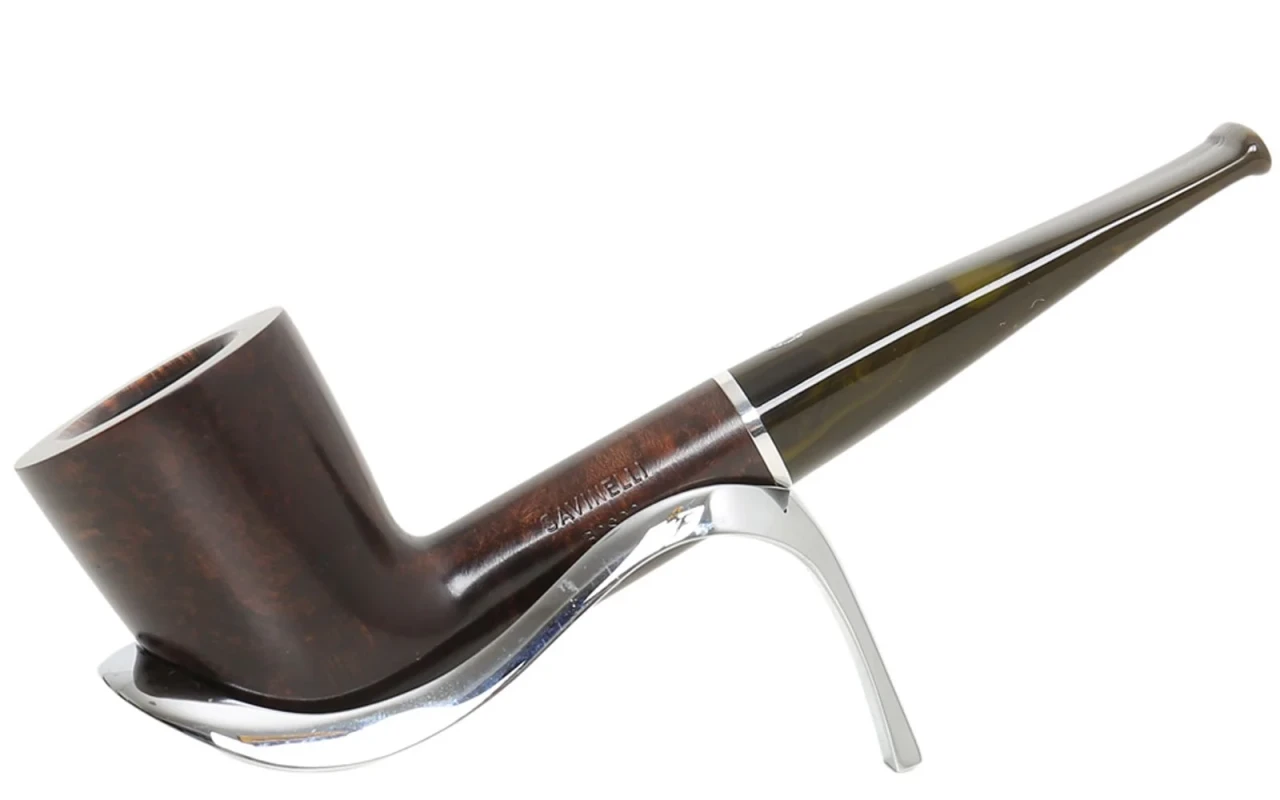
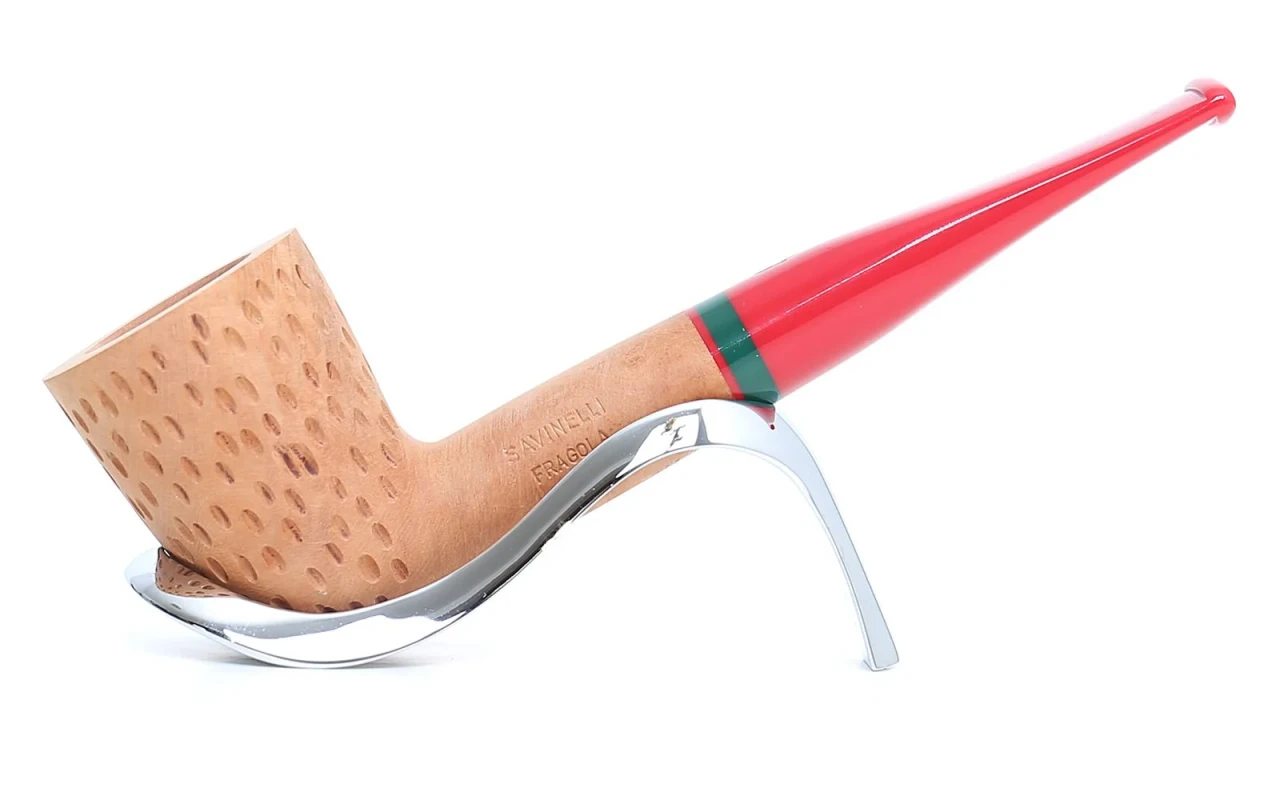
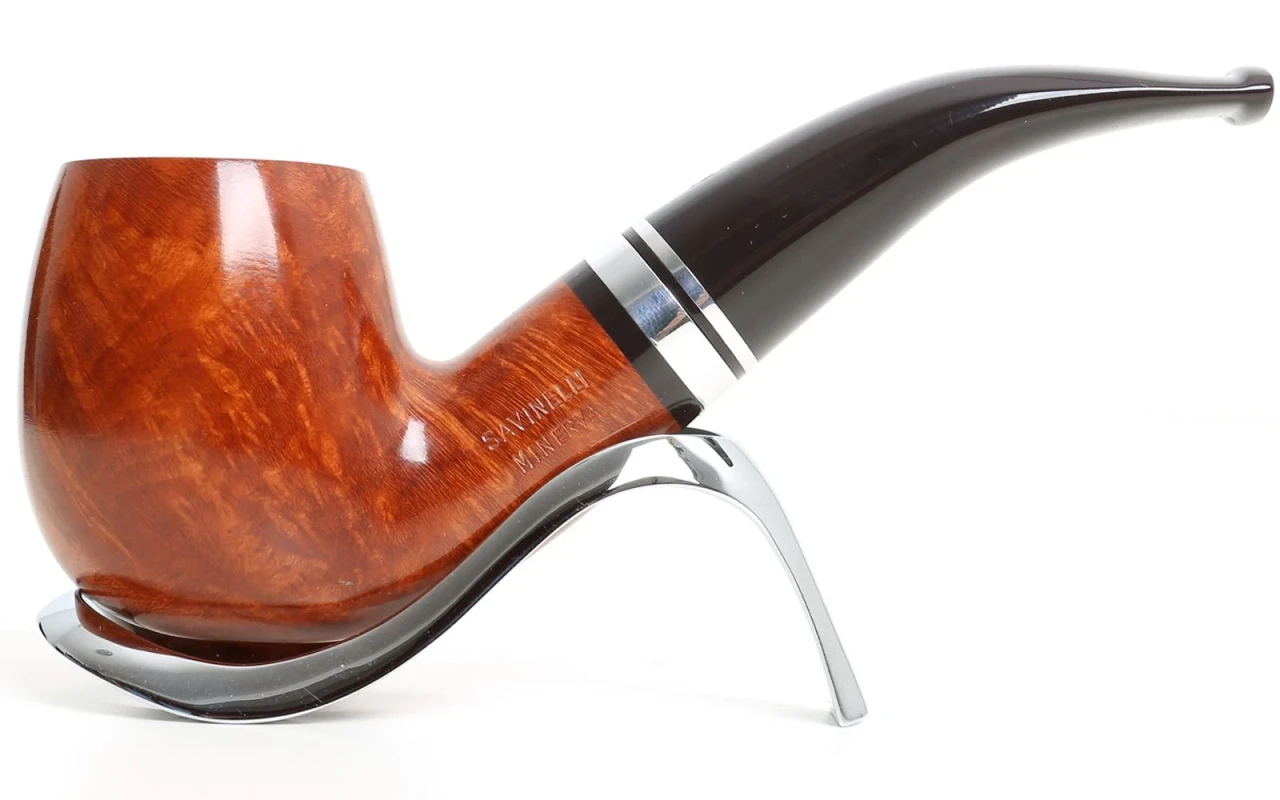
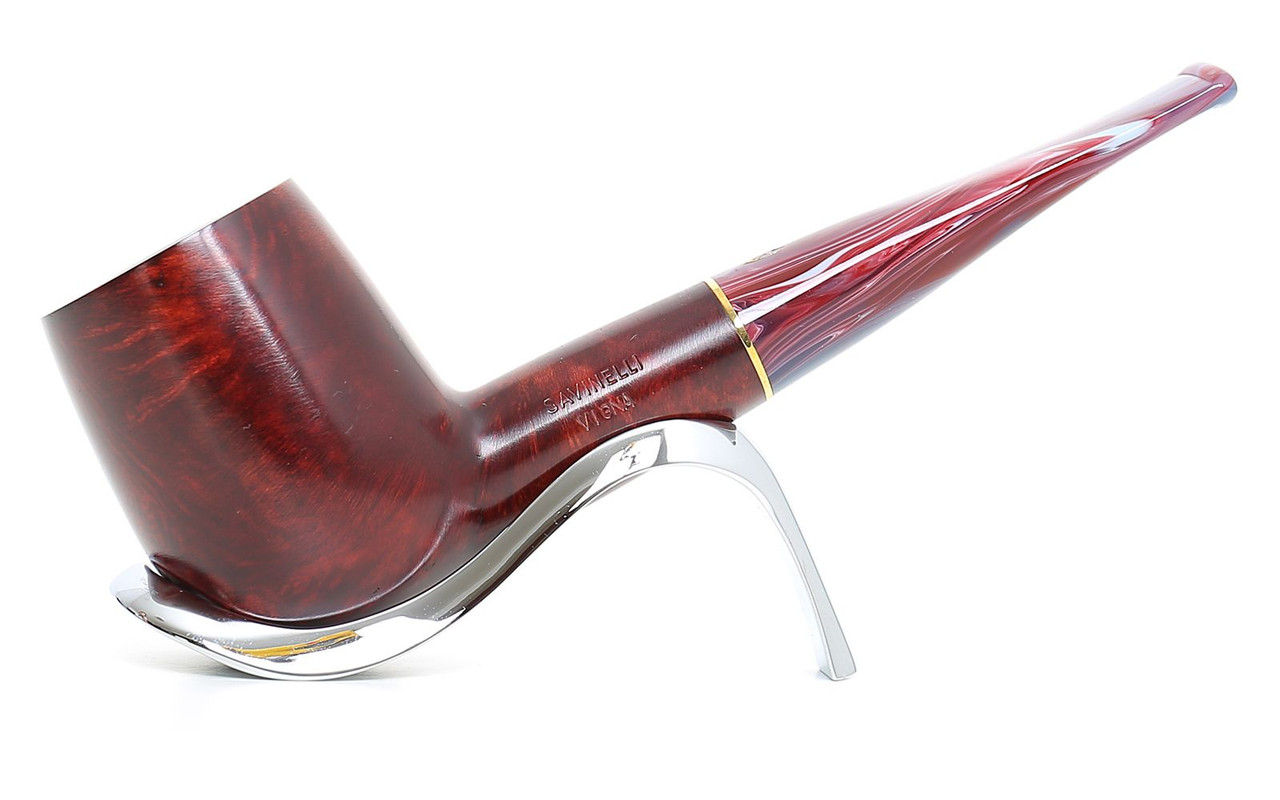
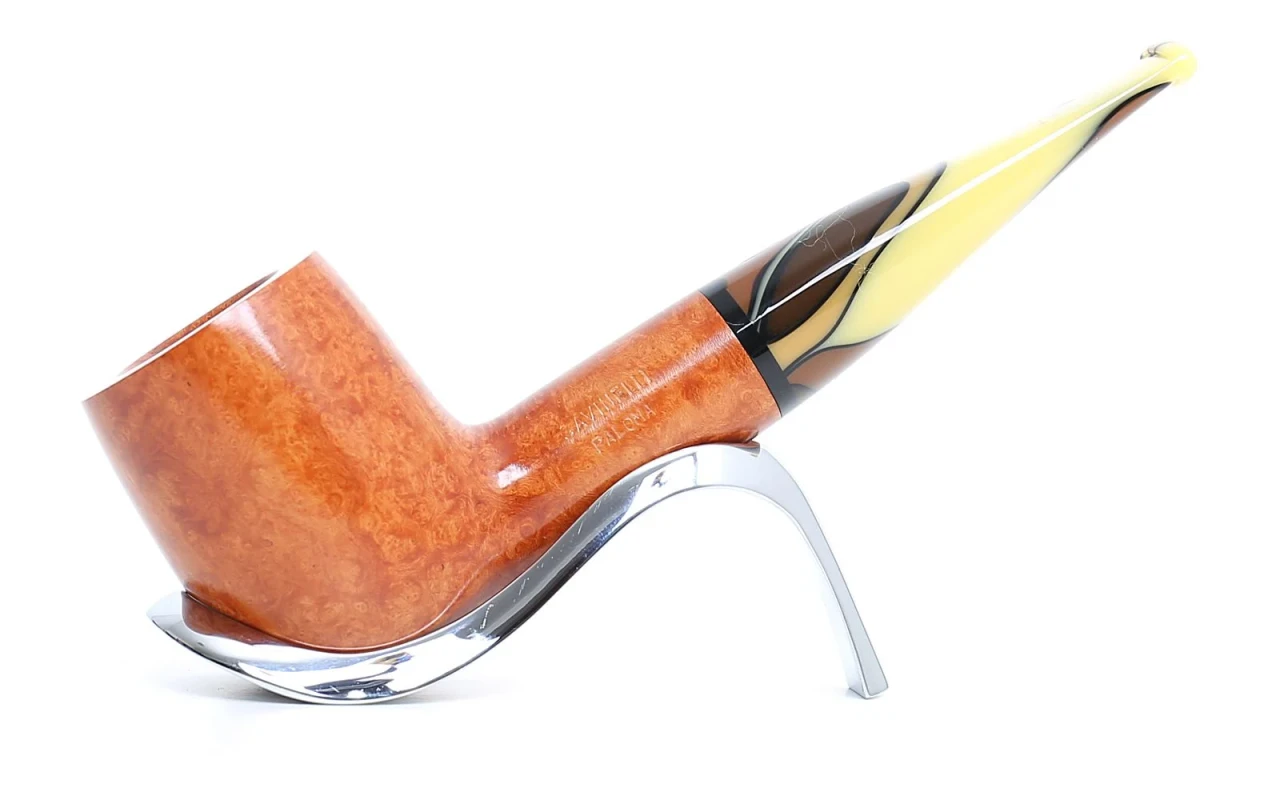
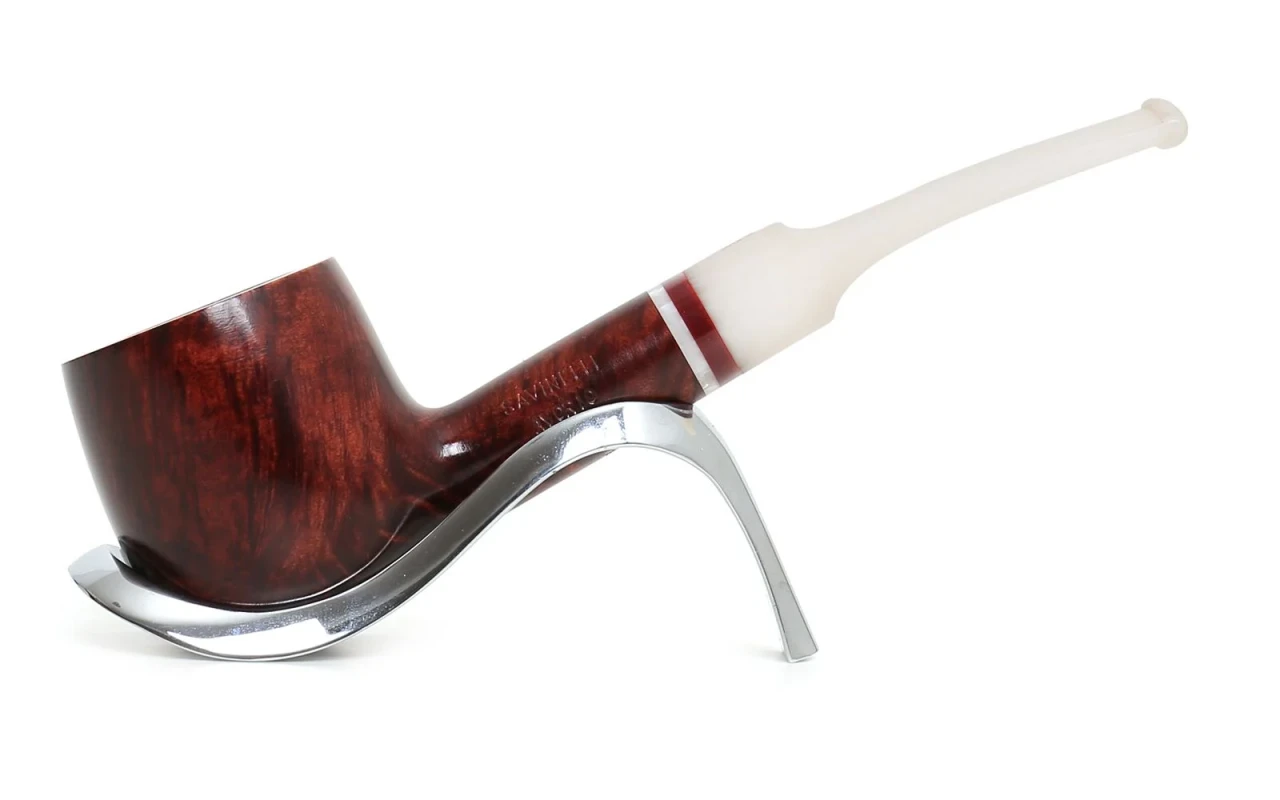
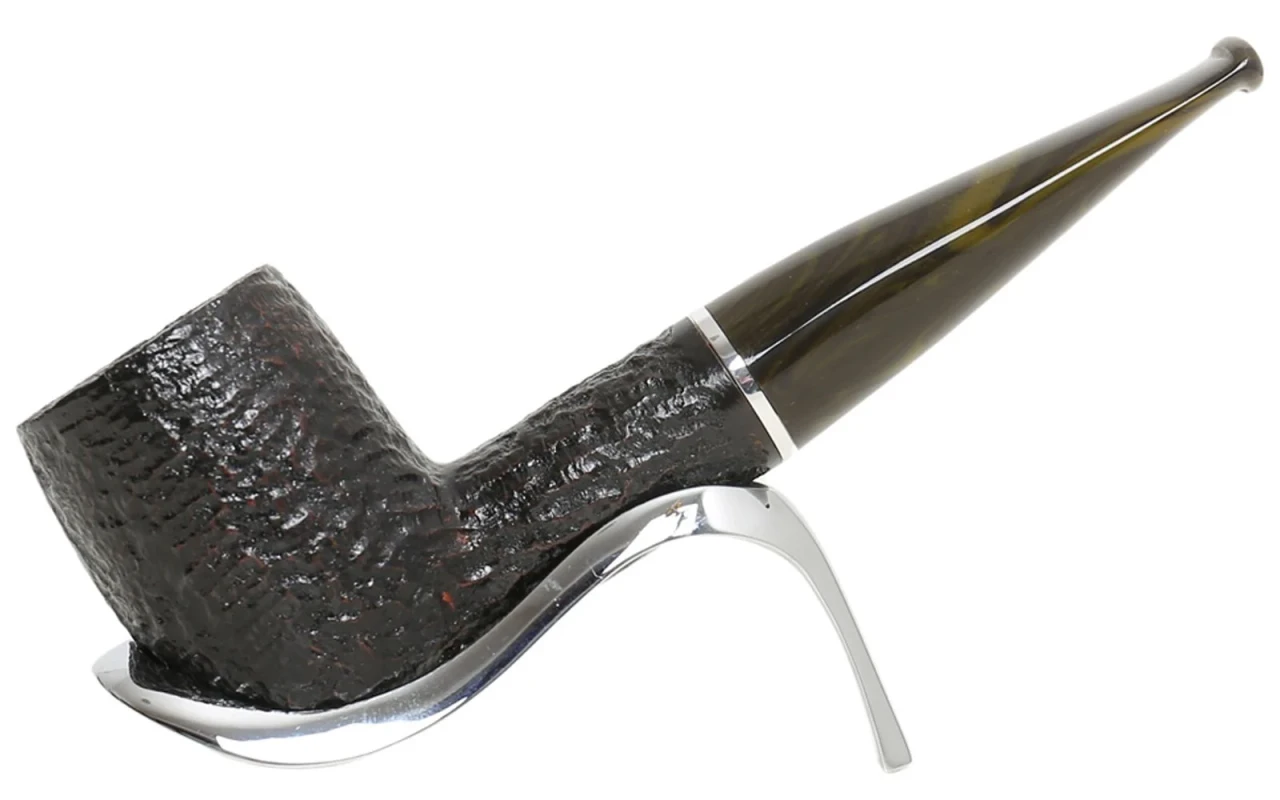
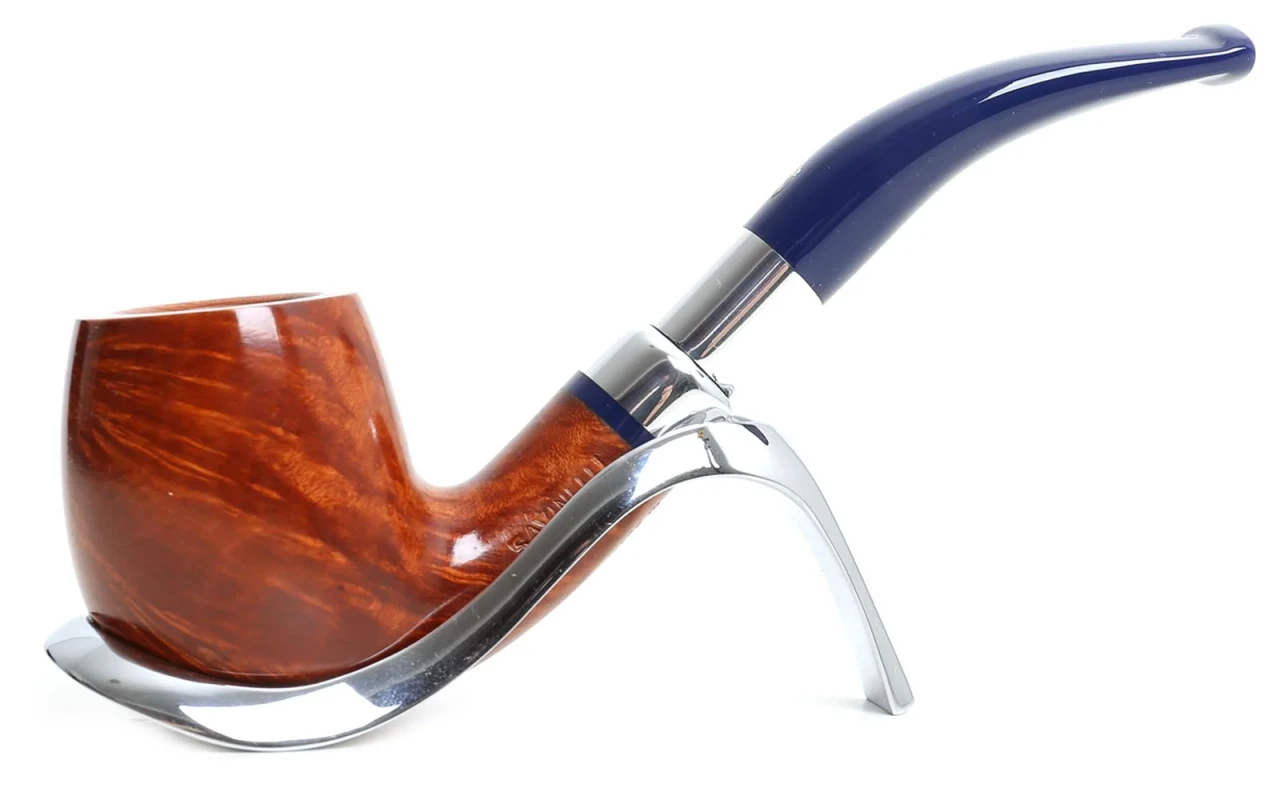
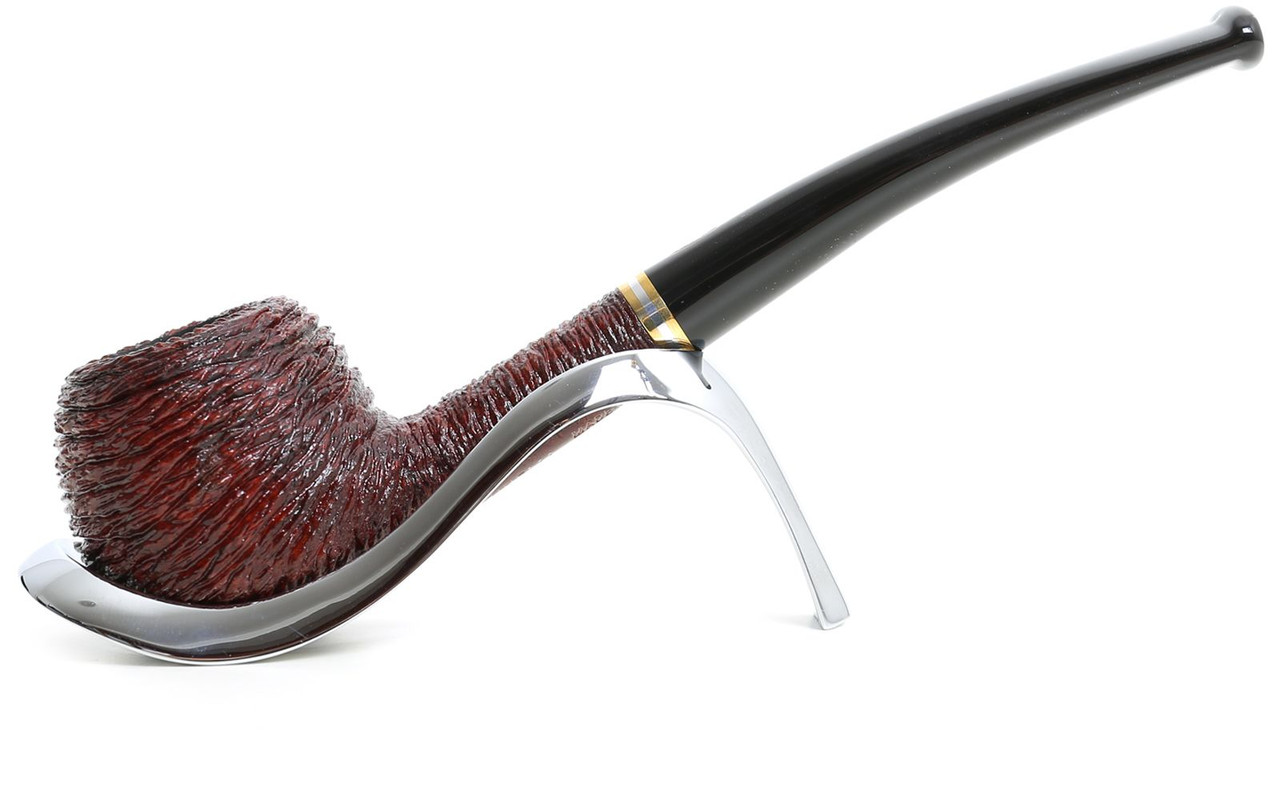
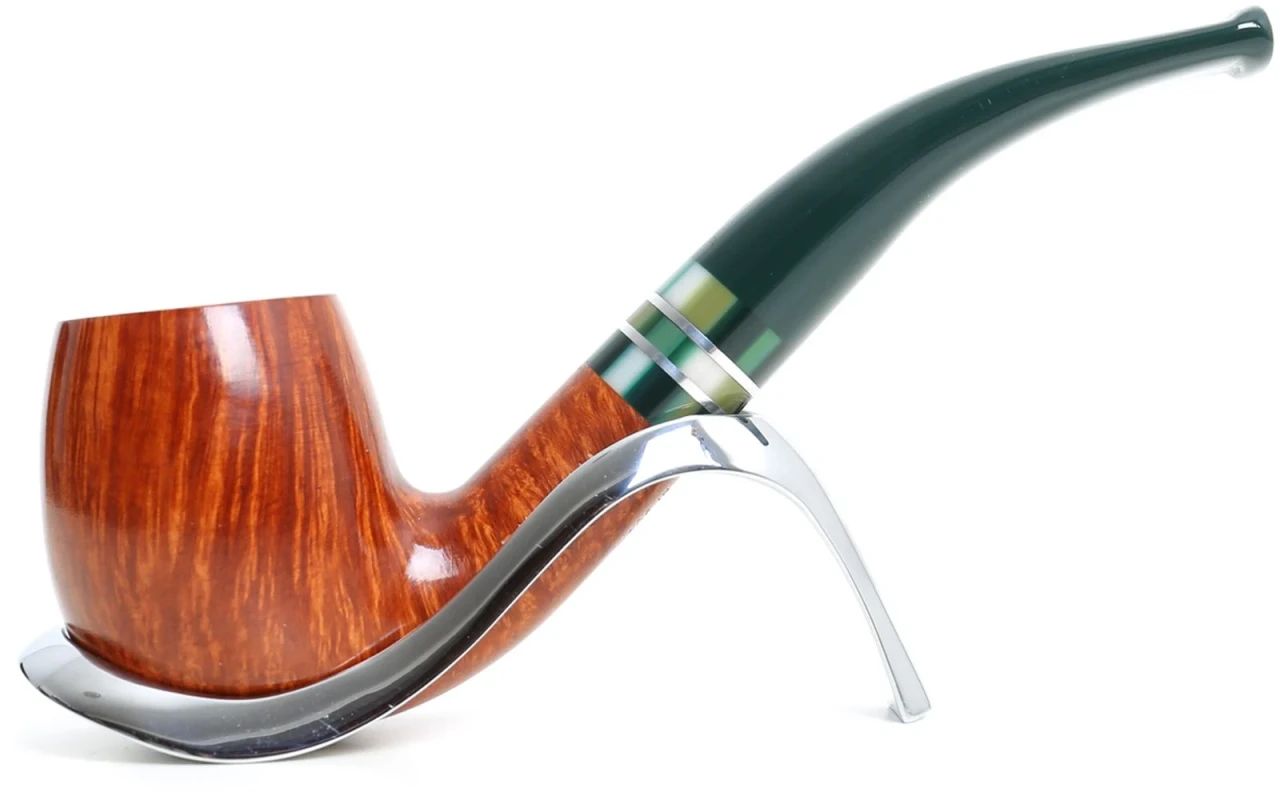
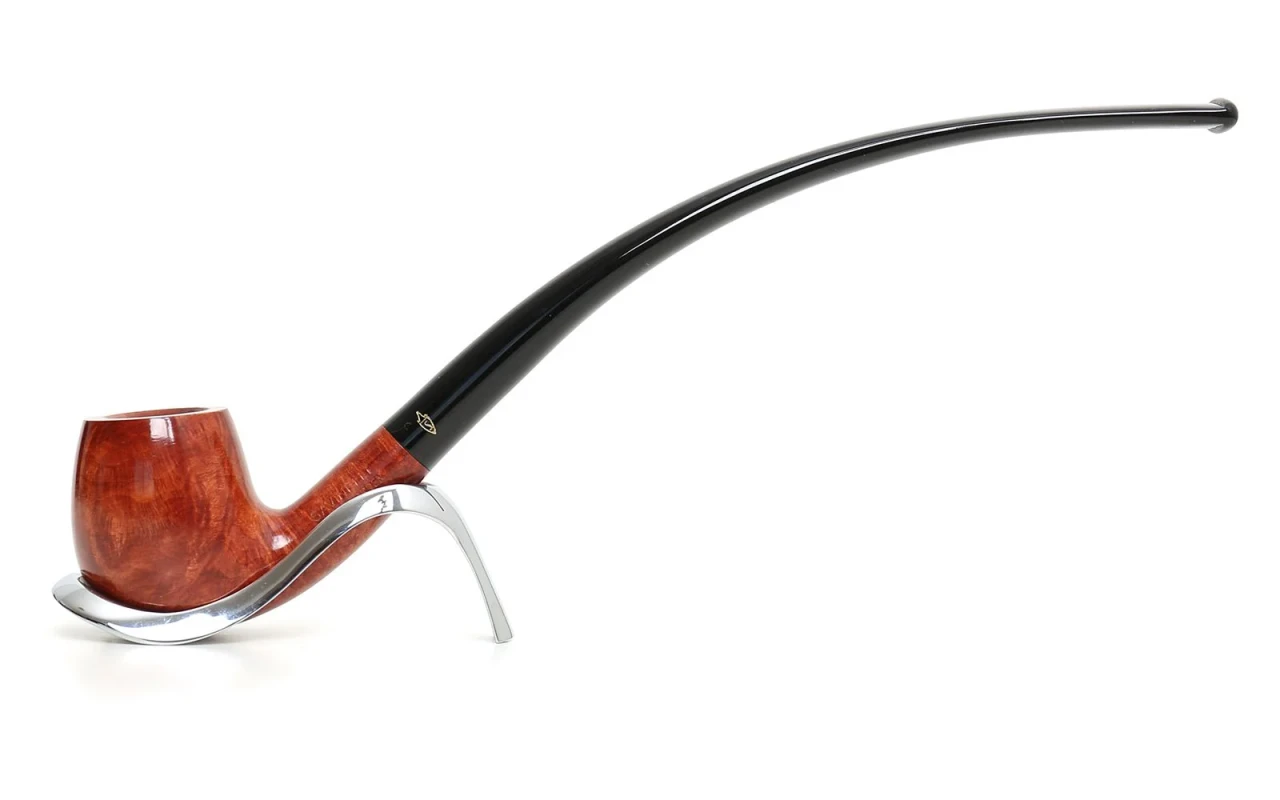
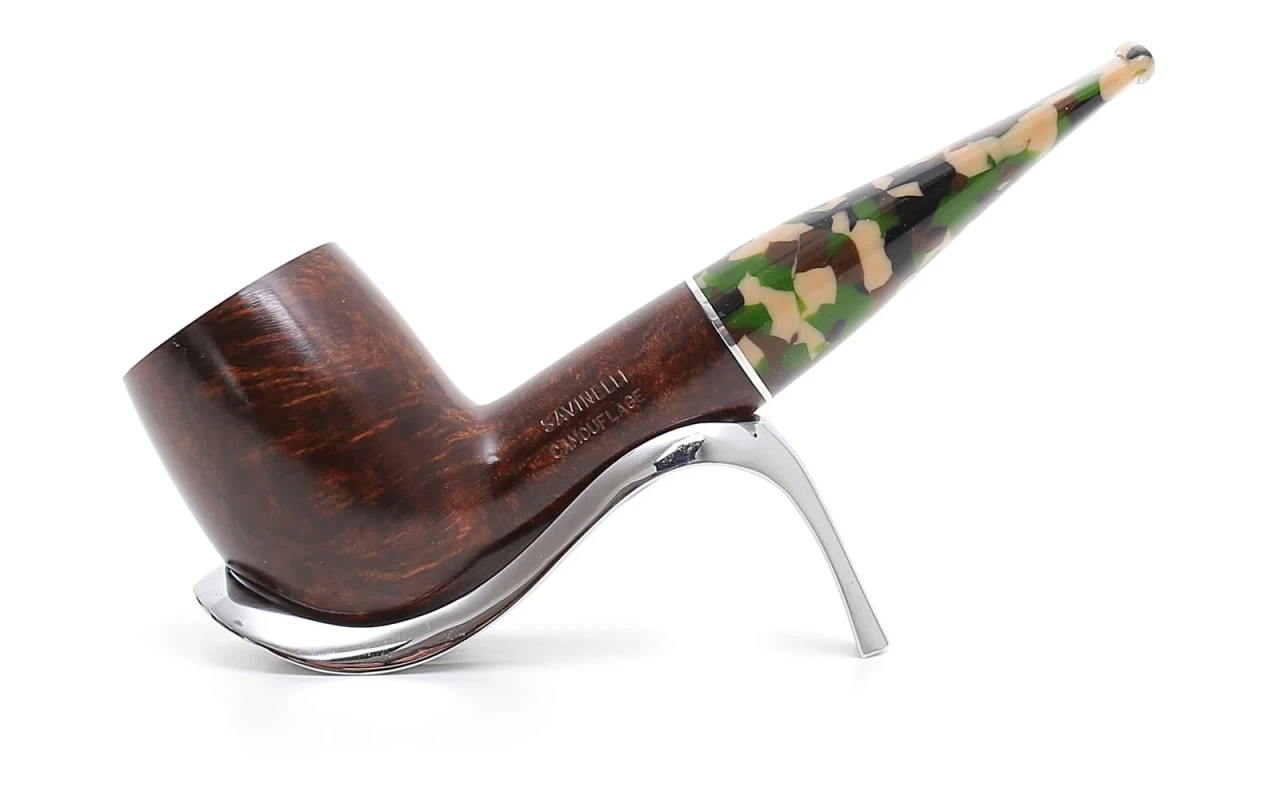
The pipe tenon is usually made of wood, plastic, or ebonite. These materials ensure a good fit between the bowl and the stem, providing stability and durability over time. The choice often depends on the type of pipe and the desired design.
What materials are used for the pipe tenon? Deep dive
The tenon is the part of the pipe that connects the bowl to the stem, and it is essential for ensuring a stable and secure connection. The most common materials used for the tenon are wood, plastic, and ebonite. Wood, often the same as the bowl, offers a uniform and natural appearance but can be less resistant to wear. Plastic is valued for its durability and ease of shaping, allowing for a perfect fit between components. Ebonite, a vulcanized rubber, is traditionally used for its hardness and dimensional stability, as well as imparting a classic touch to the pipe. The choice of tenon material affects the pipe’s longevity and comfort of use, as well as the overall aesthetics. It is important that the tenon is crafted precisely to avoid looseness or air leaks during smoking, thereby ensuring an optimal smoking experience and easier maintenance over time.