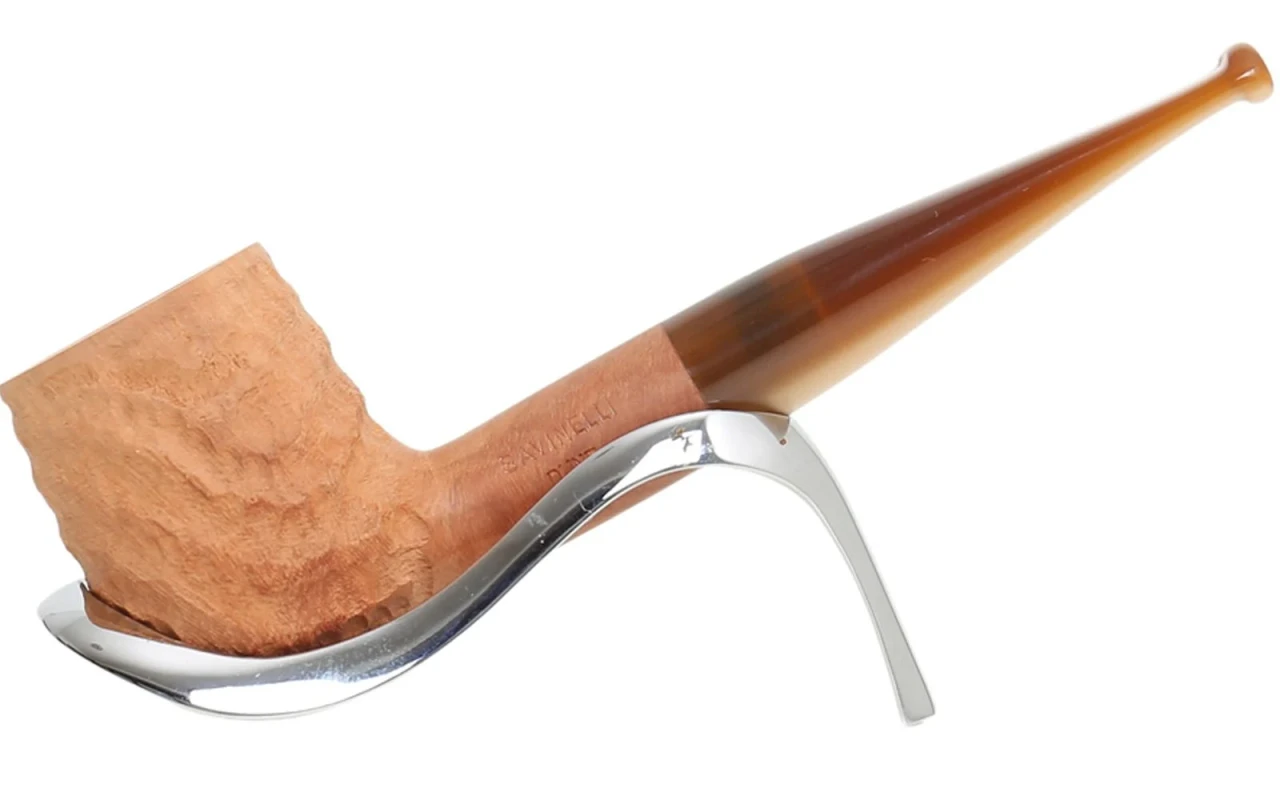
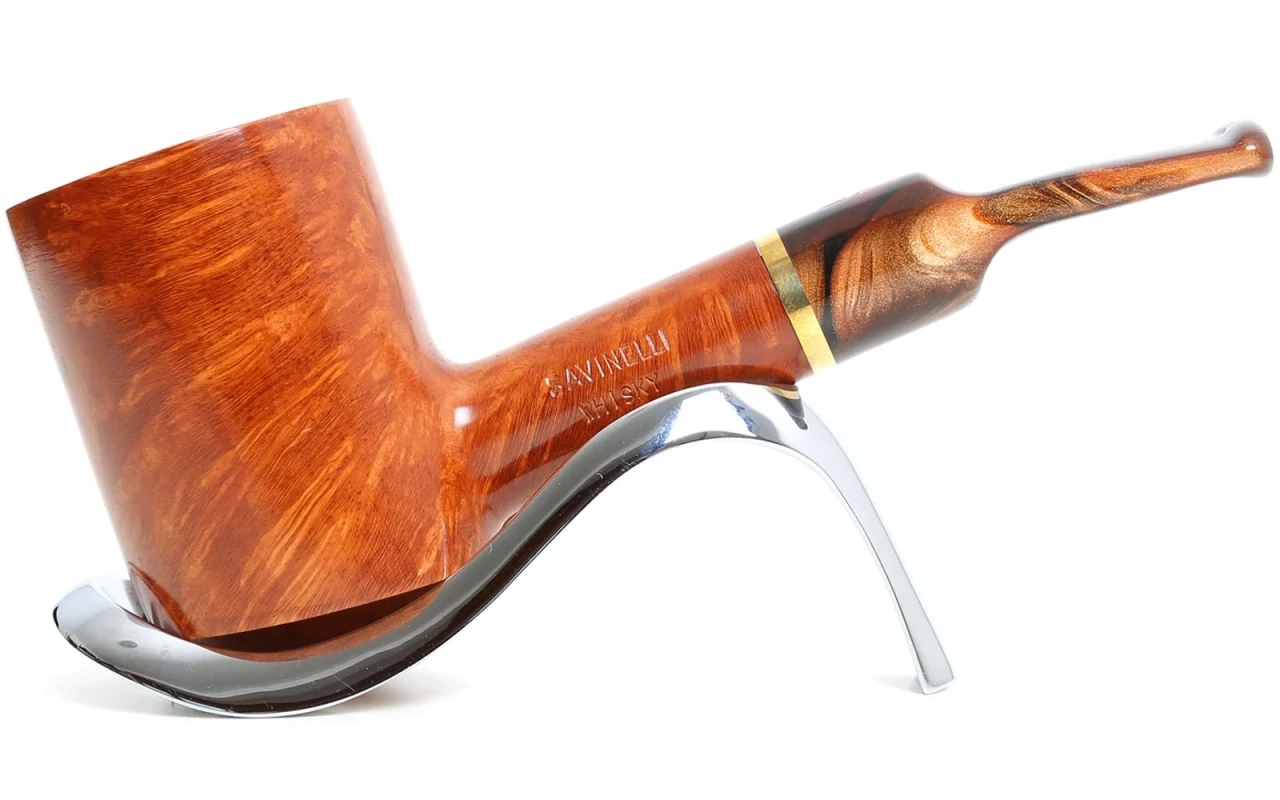
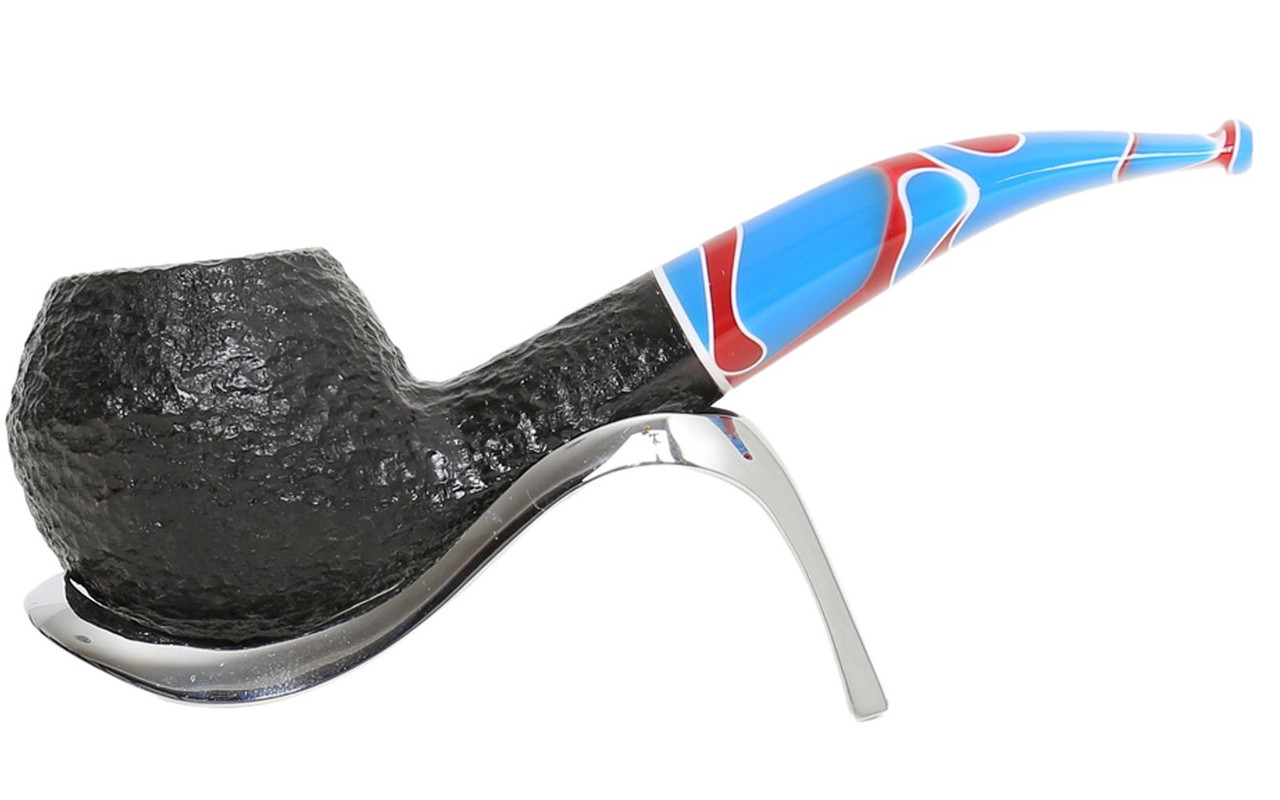
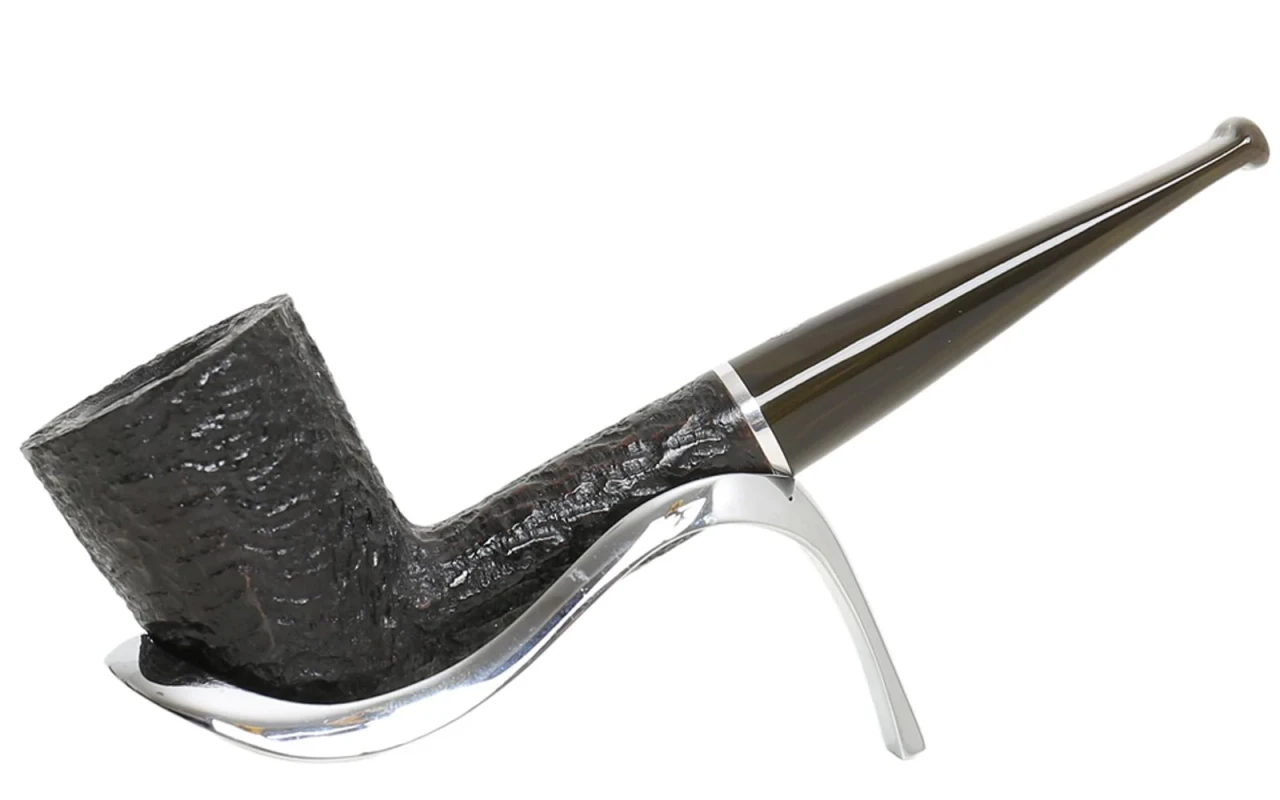
The pipe mouthpiece hole must be calibrated to ensure good draw resistance, neither too tight nor too wide. It should allow a regular and consistent airflow, facilitating an even tobacco combustion and a pleasant, controlled smoking experience.
How should the pipe mouthpiece hole be? Deep dive
The pipe mouthpiece hole is a fundamental component for ensuring proper draw resistance and a good smoking experience. It must be crafted with precision, with a diameter that allows for smooth but not excessive airflow. If the hole is too narrow, the smoker may have to draw too hard, causing excessive pipe heat and an unpleasant smoke. Conversely, a hole that is too wide can lead to an overly easy draw, risking the tobacco burning too quickly and reducing the smoking duration. The position and shape of the hole must also be aligned with the internal airway of the pipe, ensuring a direct and unobstructed airflow path. Quality materials and careful workmanship are essential to maintaining the hole’s stability over time, preventing deformation or blockage. In summary, a well-designed mouthpiece hole contributes to an optimal balance between draw resistance and airflow, enhancing the tobacco’s aromatic yield and the pleasure of slow smoking.