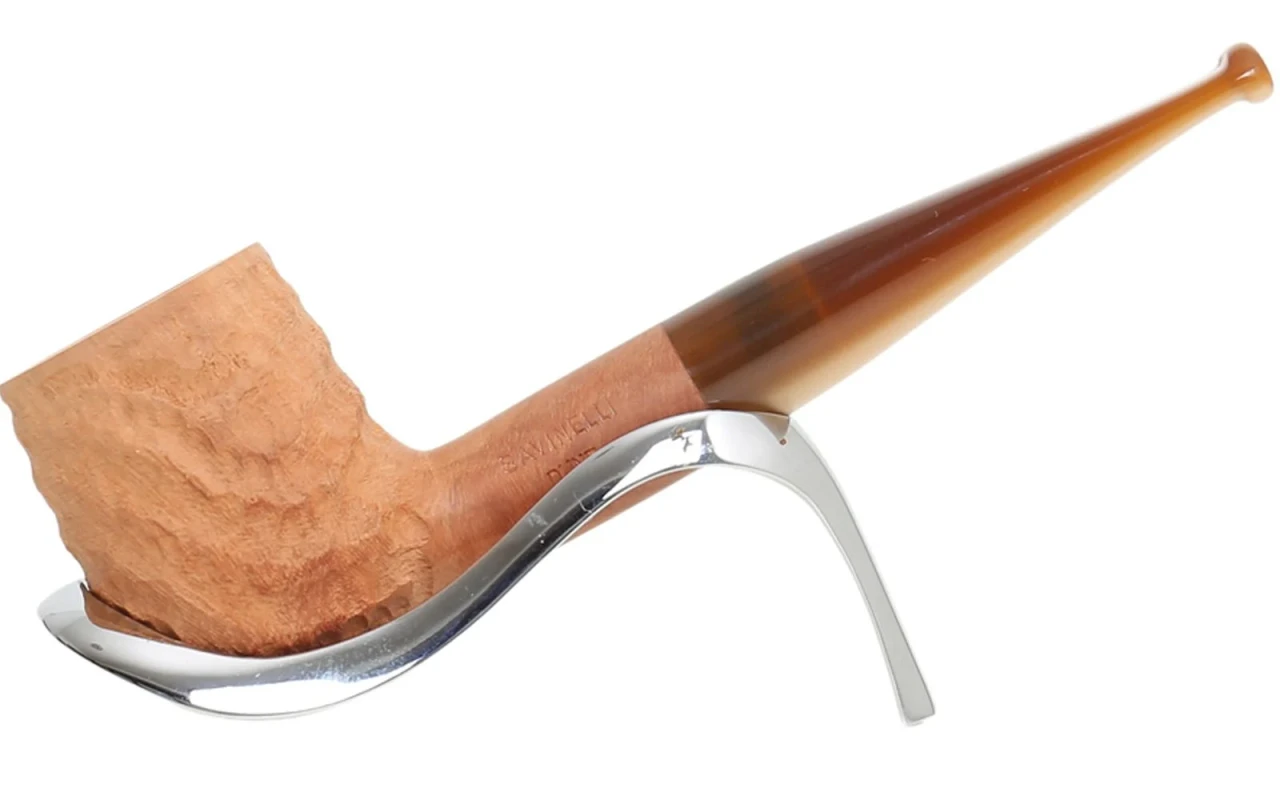
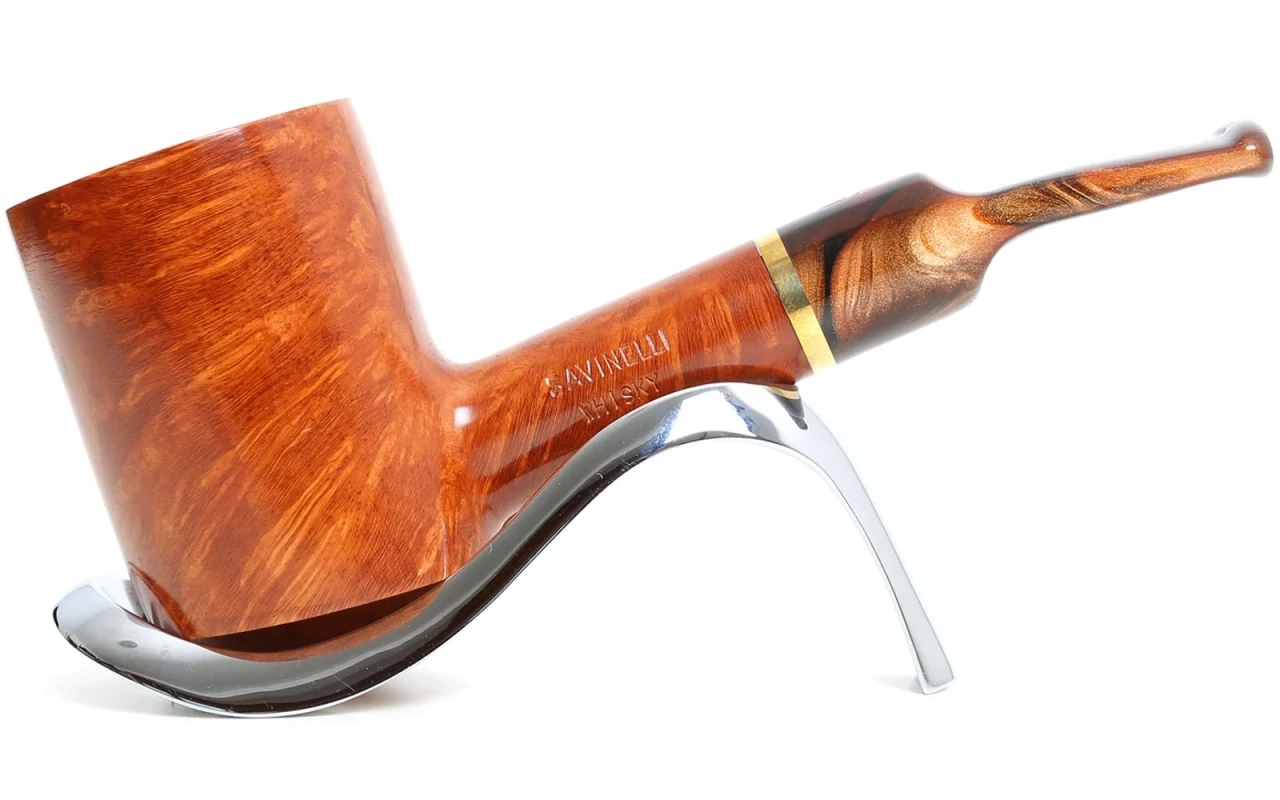
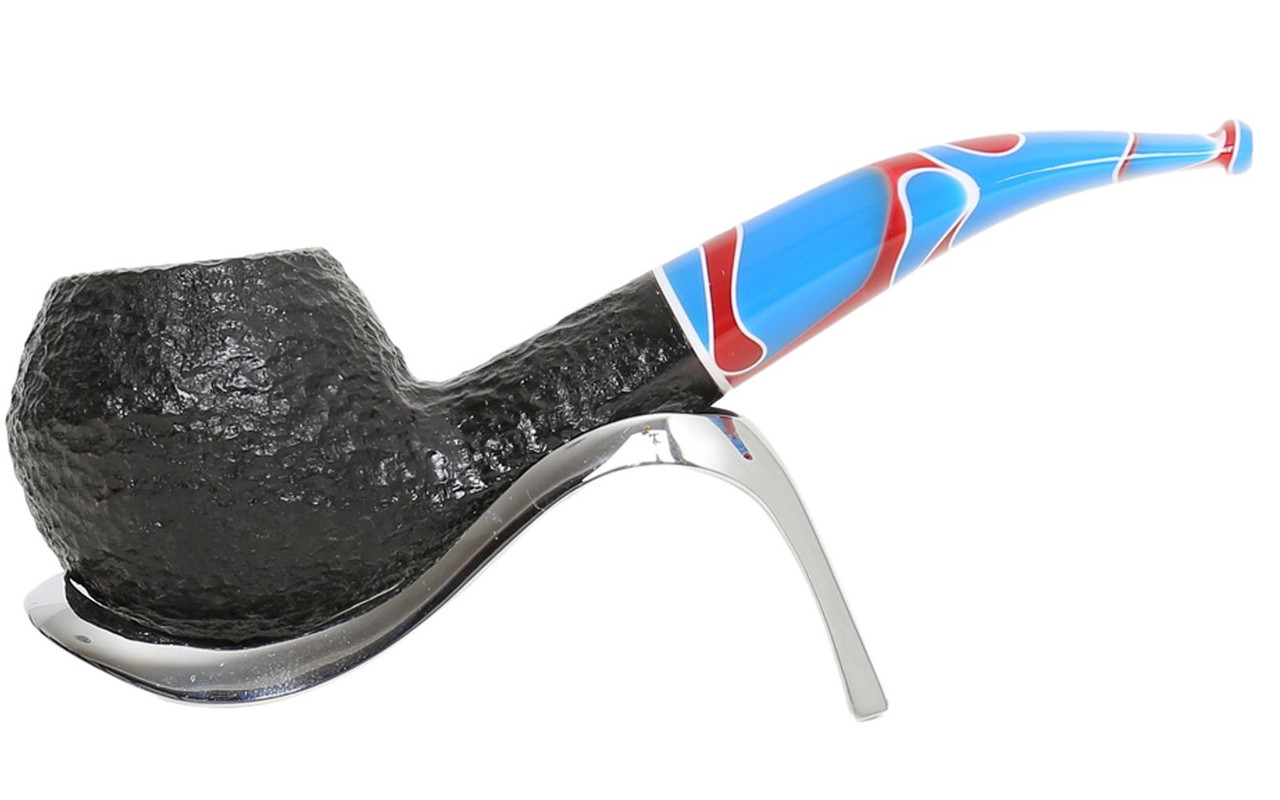
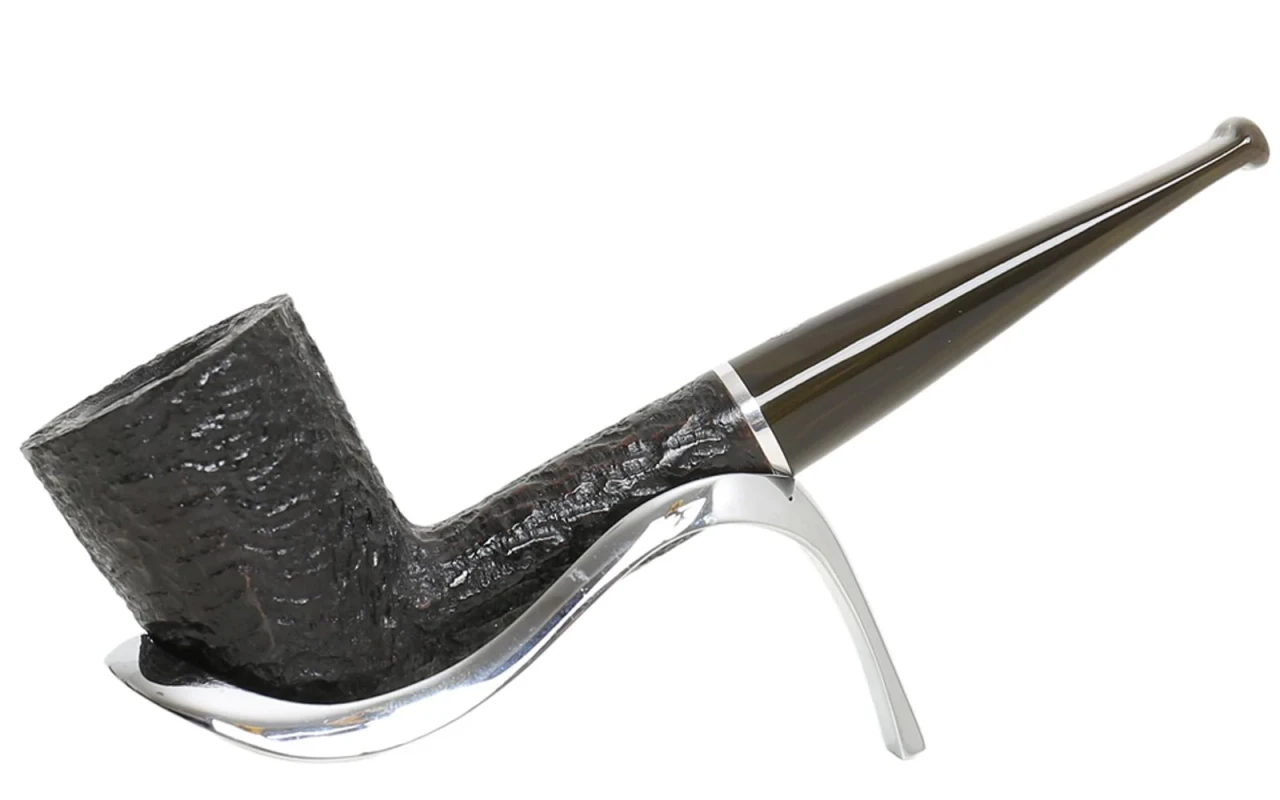
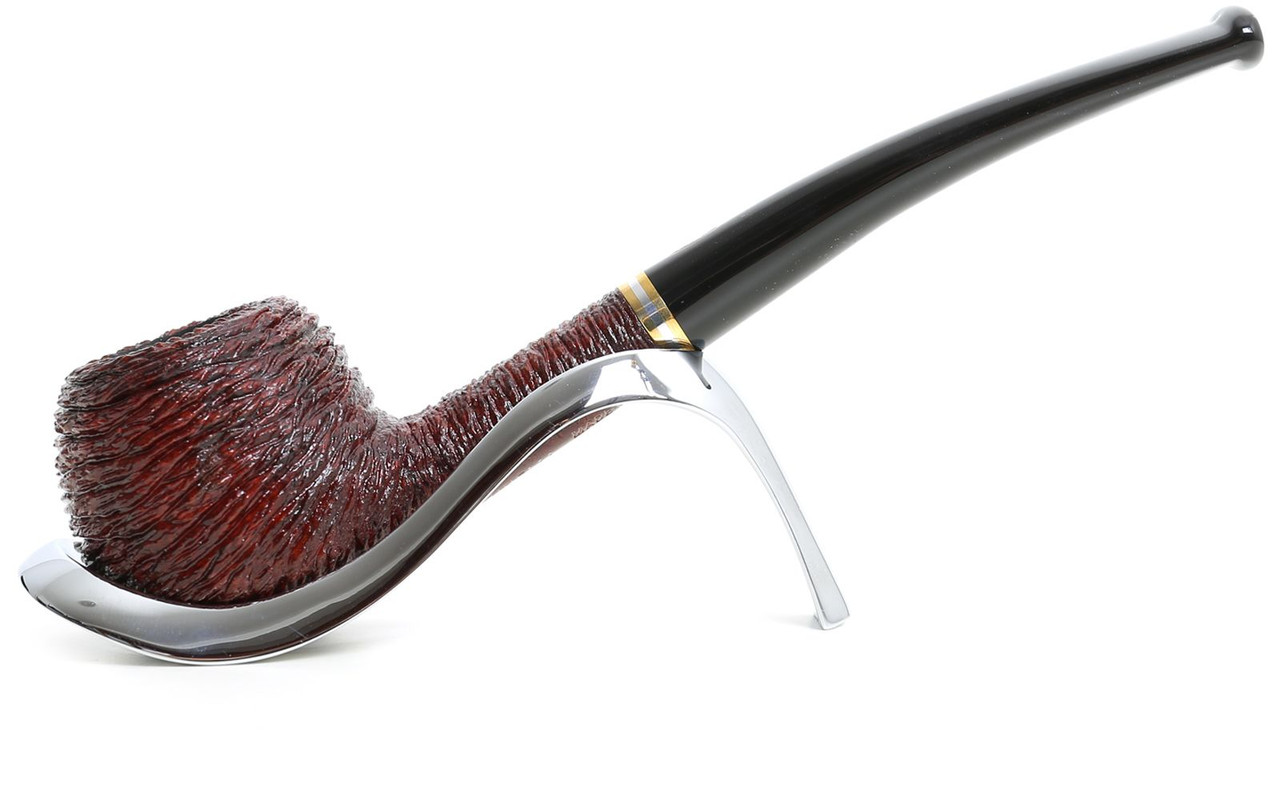
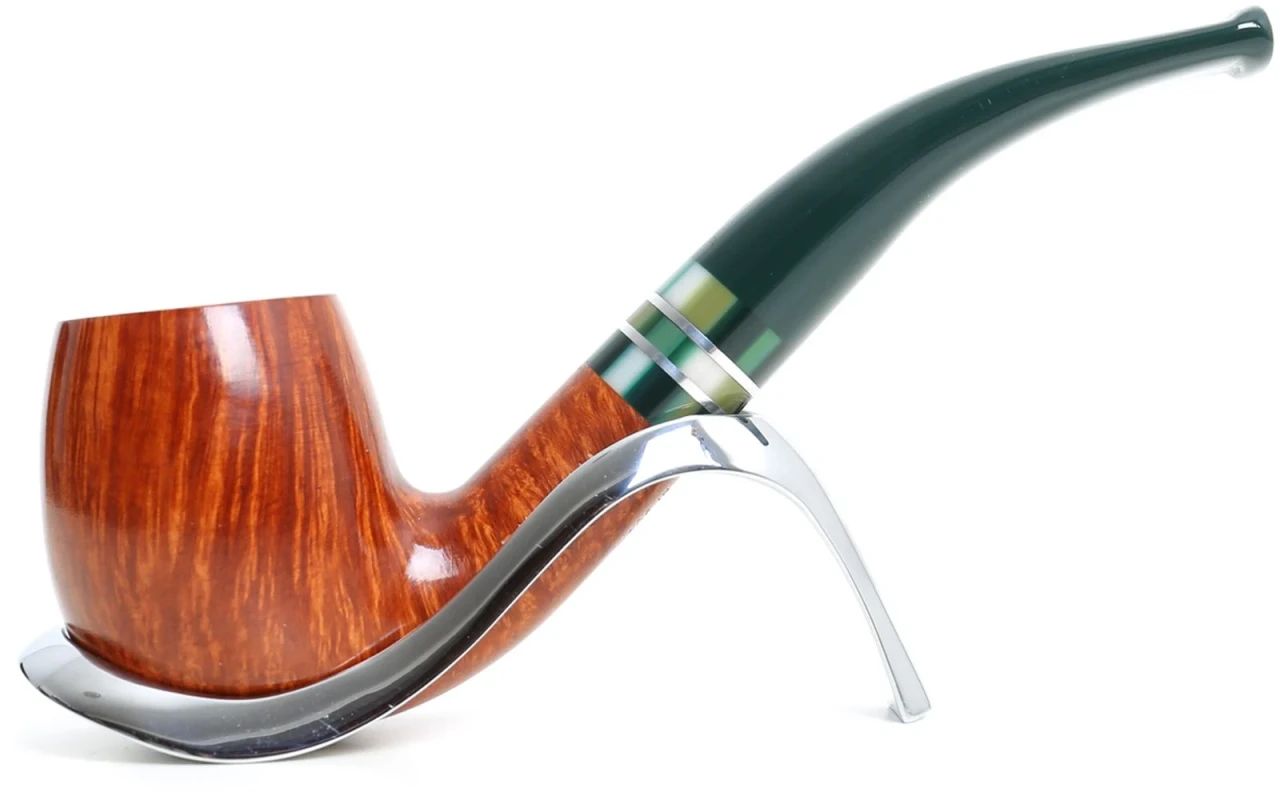
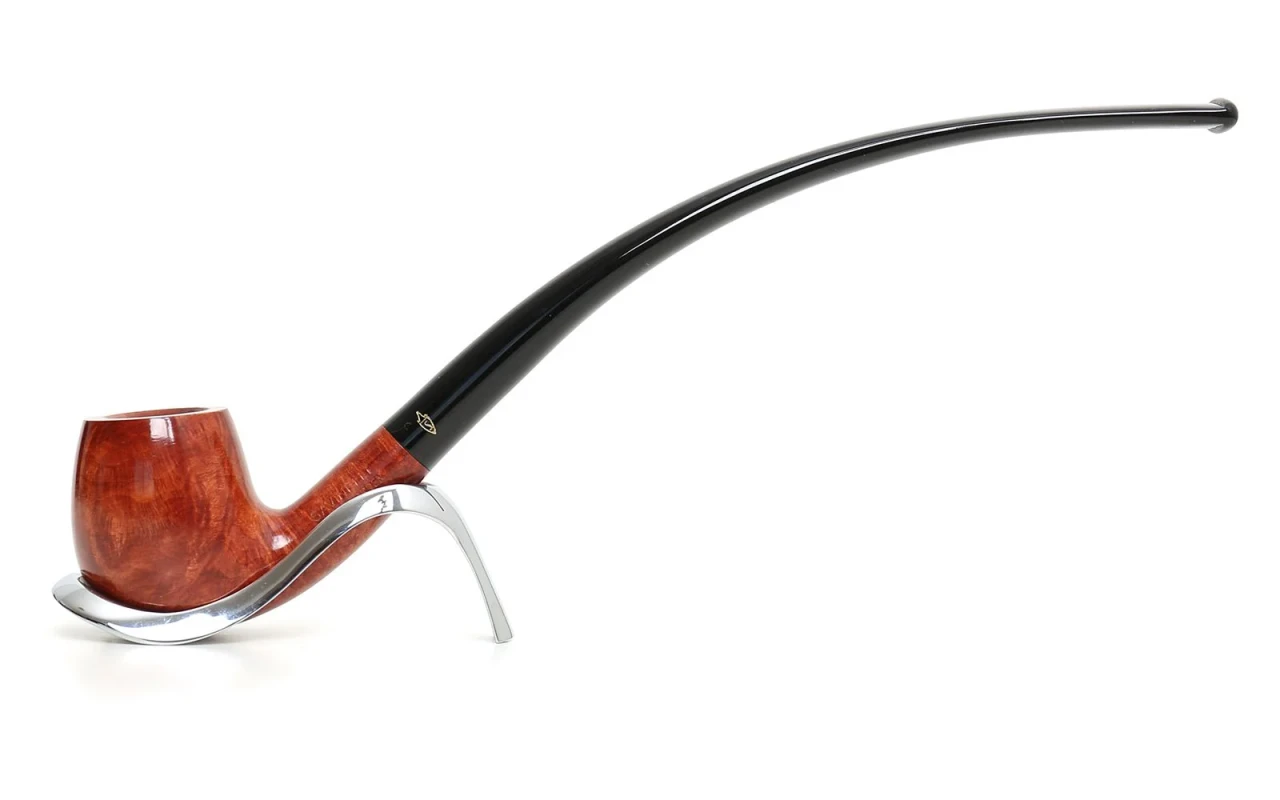
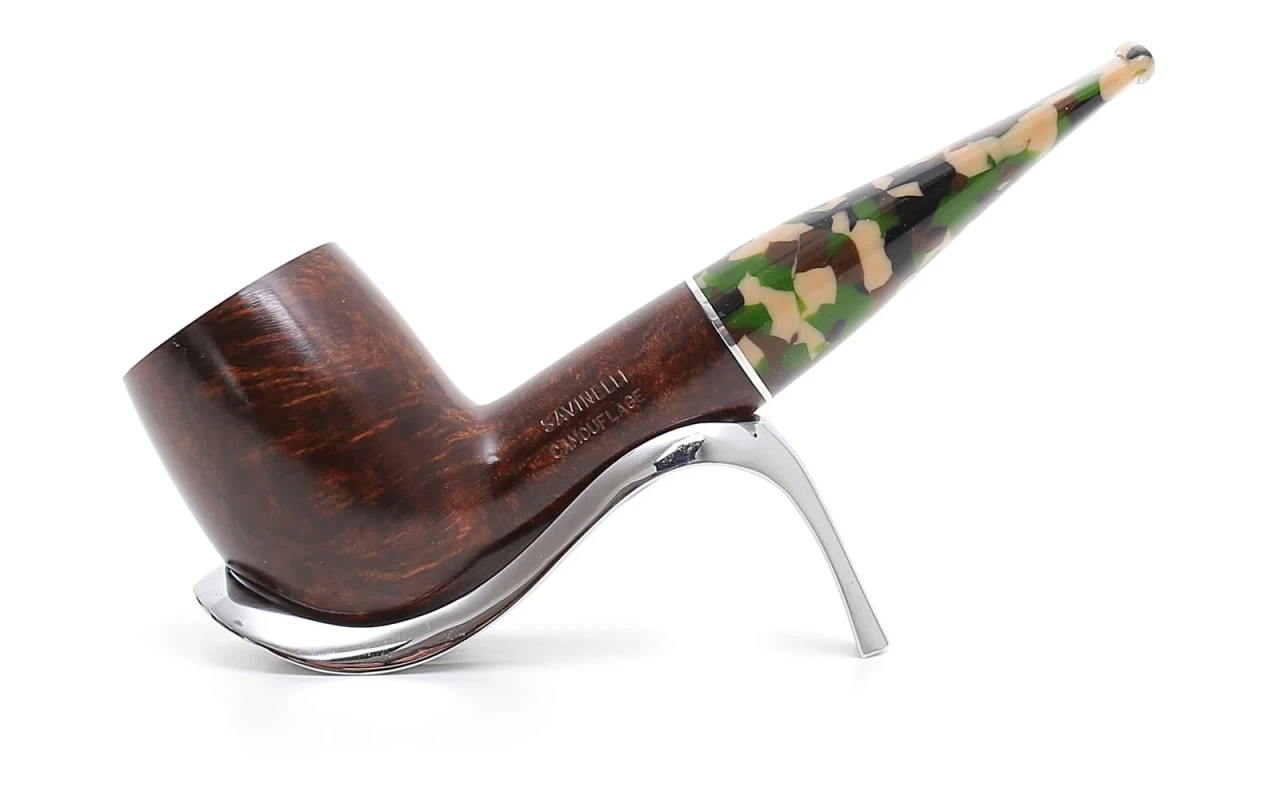
Combustion in the pipe occurs when the tobacco is lit and slowly burns within the calabash or bowl. The smoker controls temperature and airflow to maintain a steady combustion, preventing the tobacco from overheating or going out, thus ensuring a slow and aromatic smoking experience.
How does combustion work in a pipe? Deep dive
Combustion in the pipe is a delicate and controlled process that takes place inside the bowl, where the tobacco is lit and slowly burns. Unlike cigarettes or cigars, pipe smoking requires careful management of temperature and air supply to achieve an even and moderate combustion. The smoker adjusts the draw pressure and may gently puff to keep the ember alive, avoiding overheating of the tobacco, which could alter its flavor and produce a harsher smoke. Slow combustion allows for a fuller appreciation of the tobacco’s aromas and nuances, a fundamental aspect of the slow smoking culture. Additionally, the pipe’s structure, with its combustion chamber and airway, promotes the cooling of the smoke before it reaches the mouth, enhancing the overall experience. Proper lighting and maintenance of the ember are therefore essential for optimal combustion and to fully enjoy the qualities of pipe tobacco.