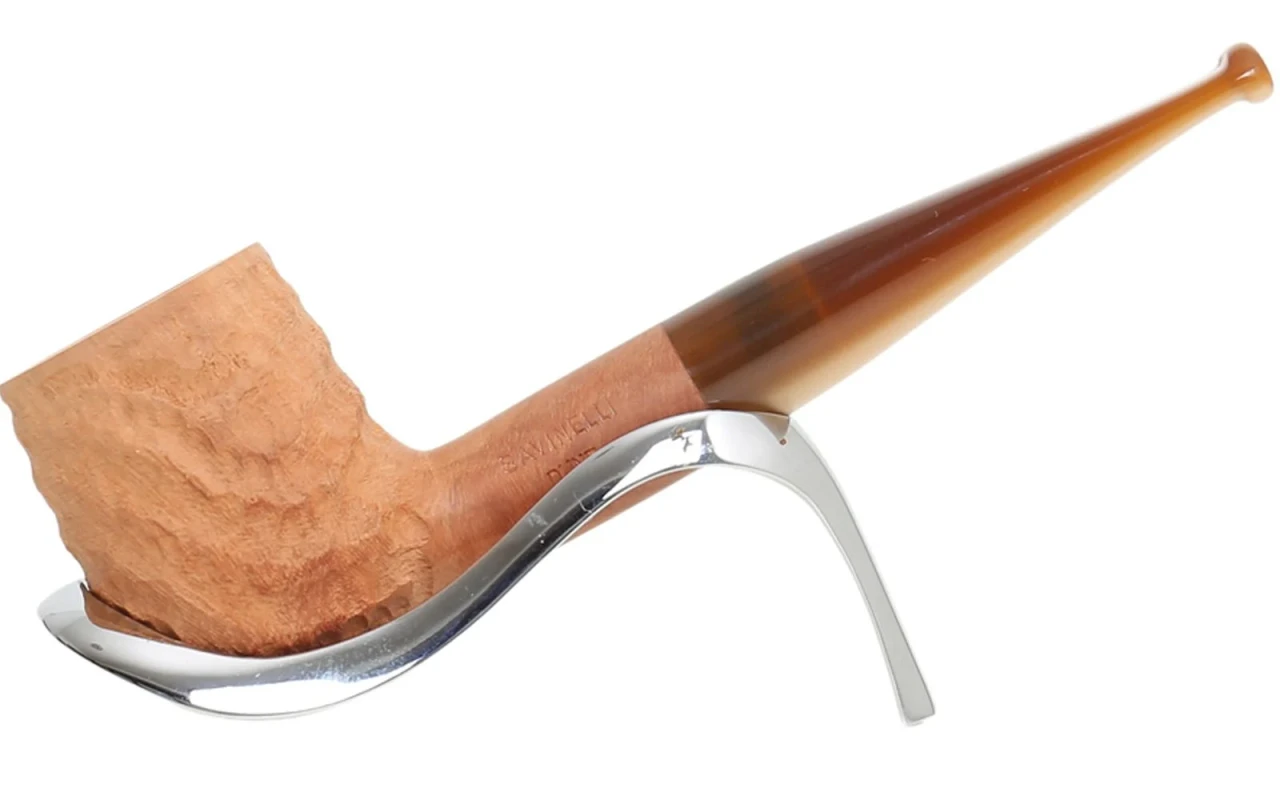
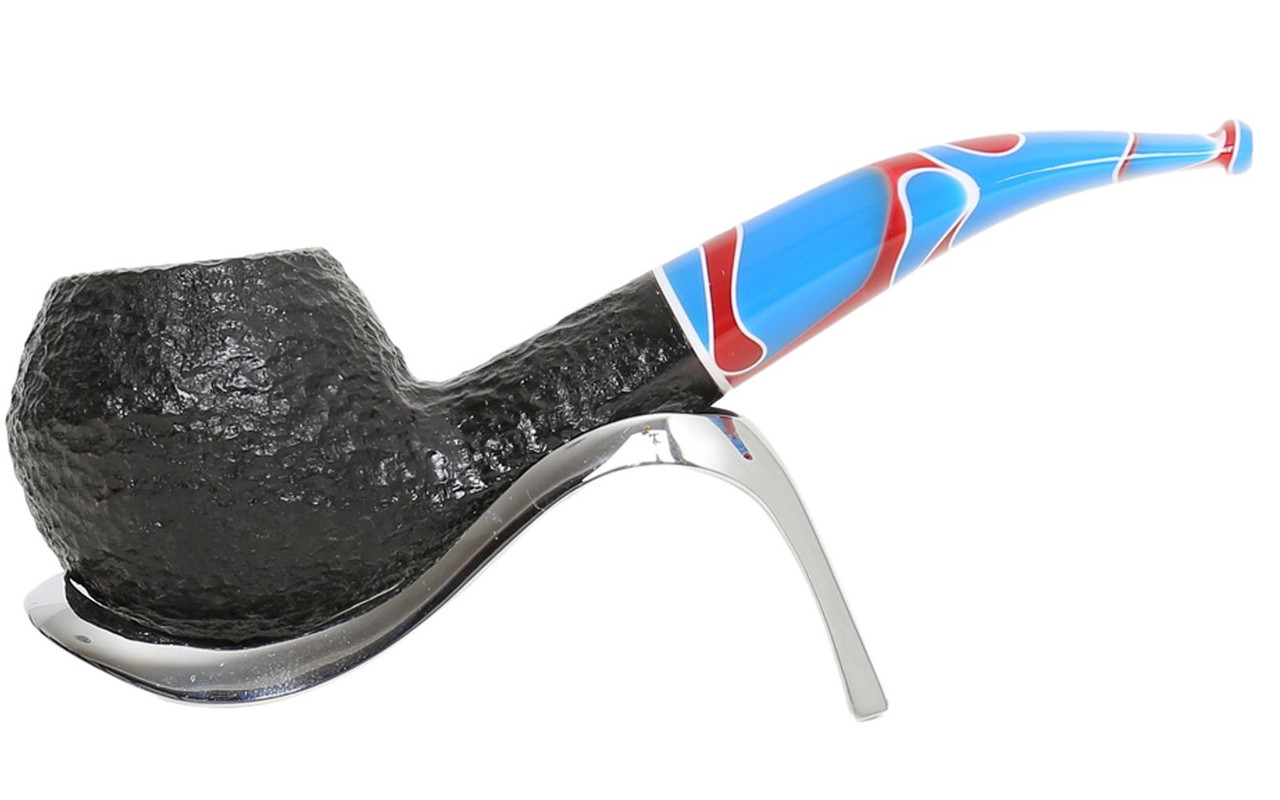
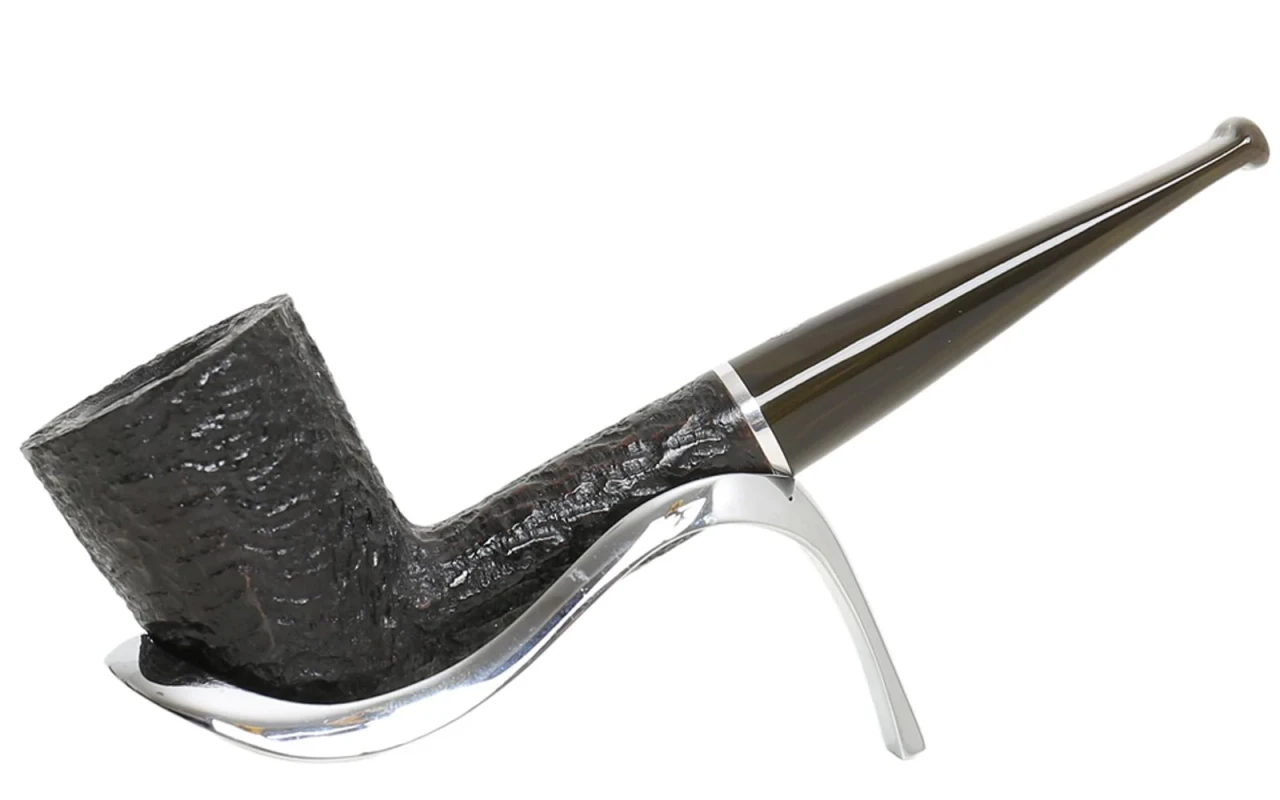
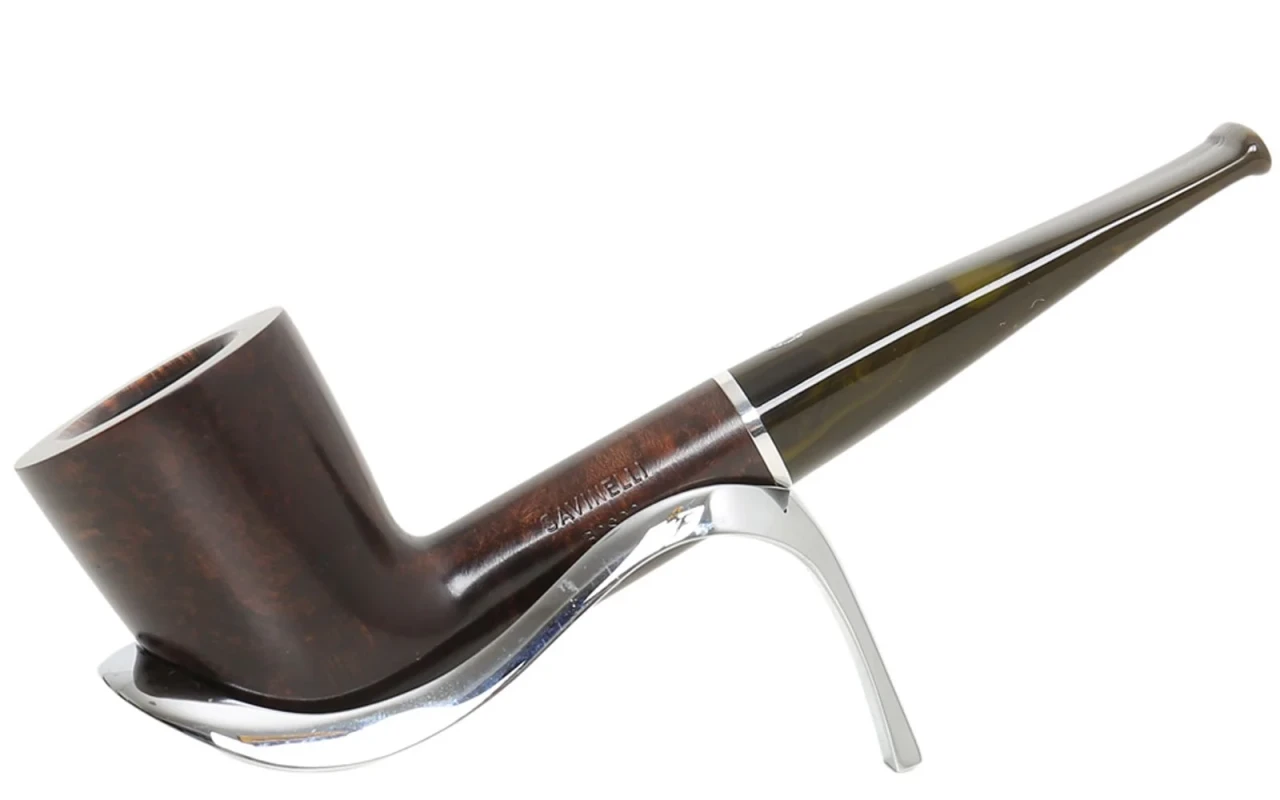
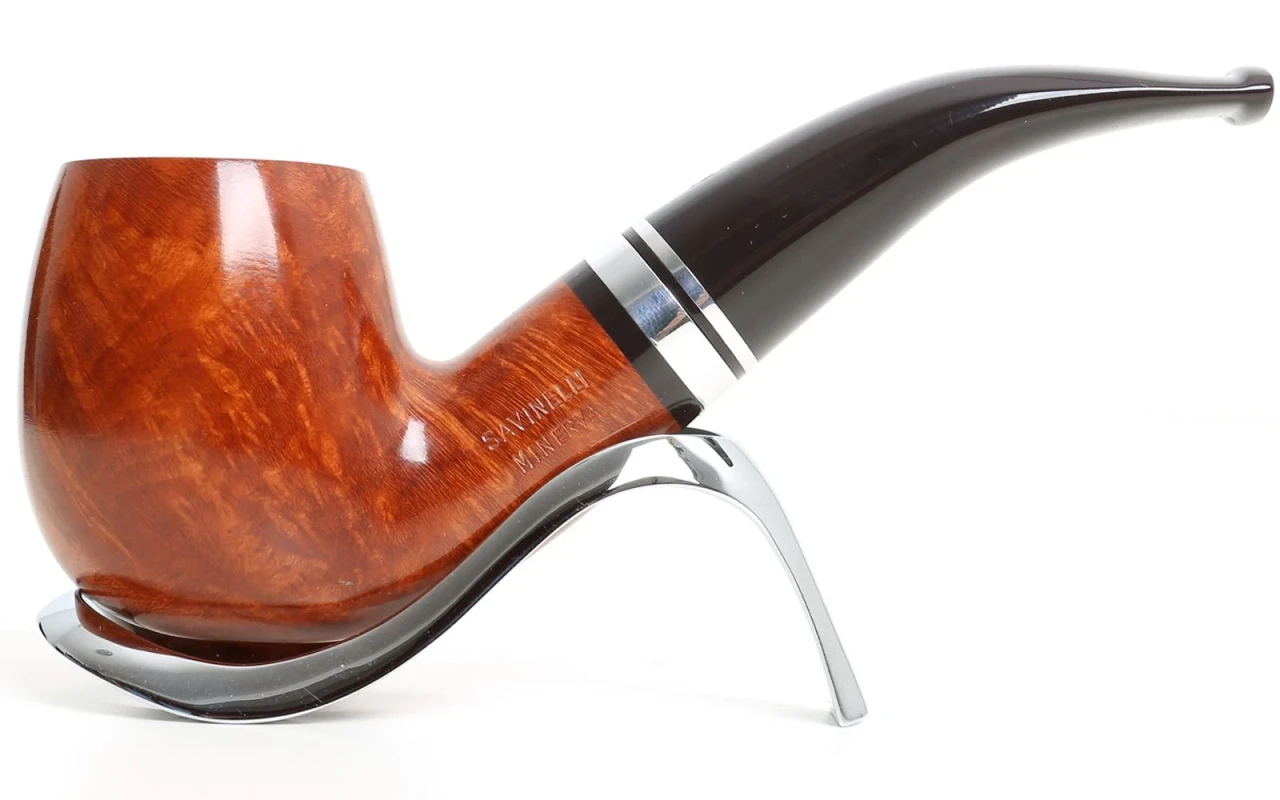
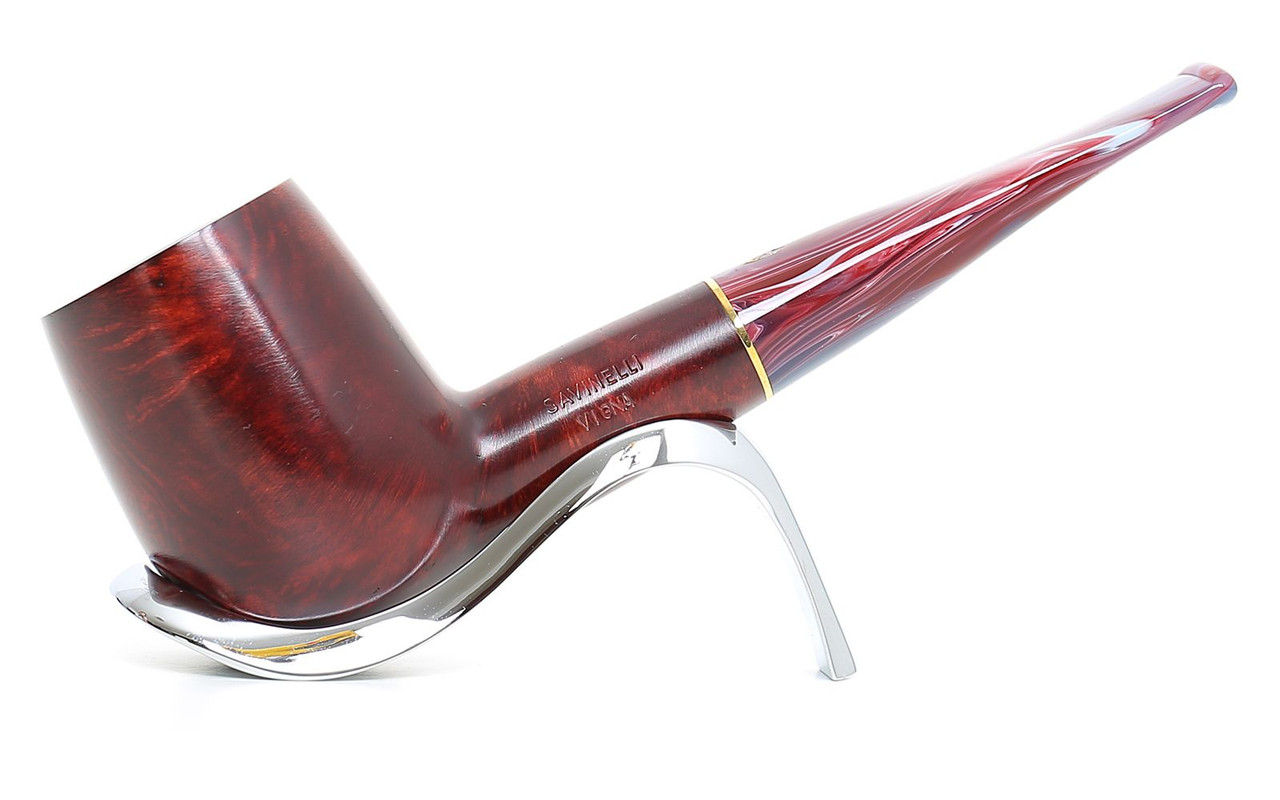
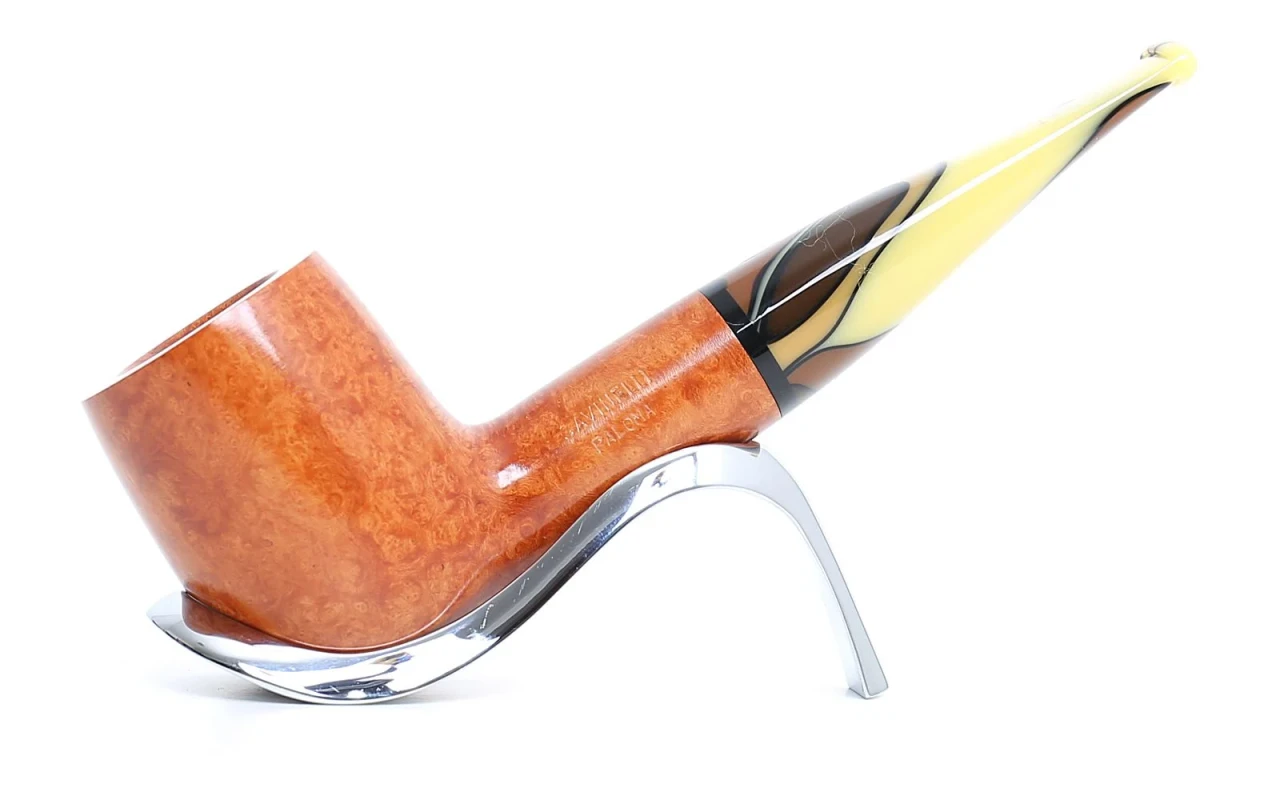
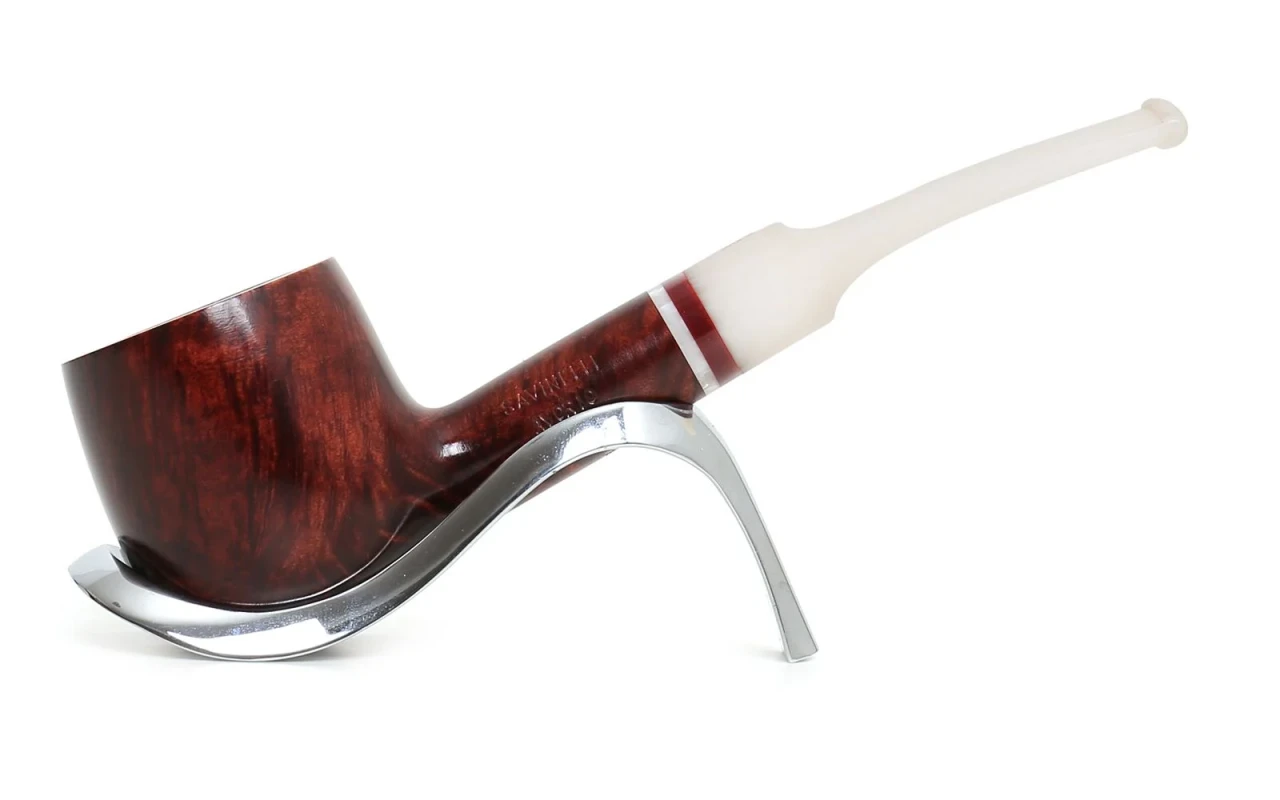
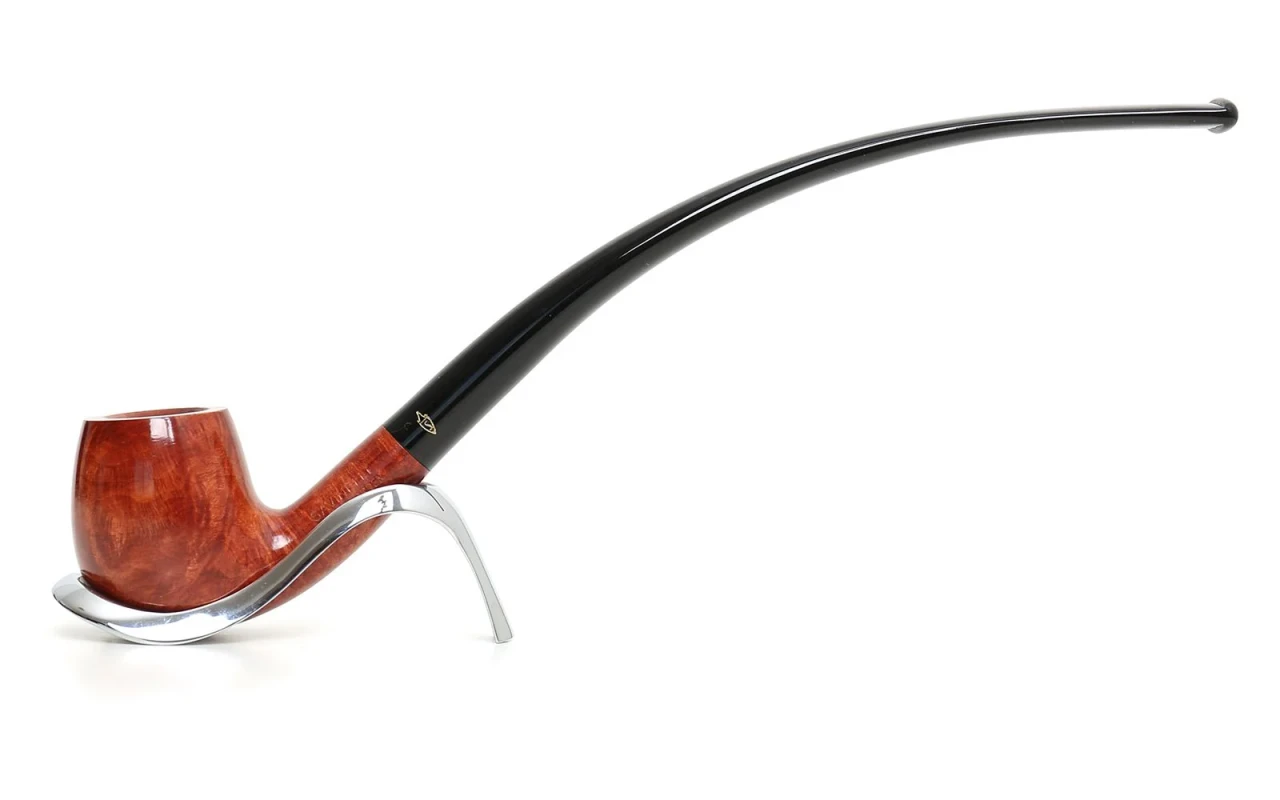
The thickness of a pipe's bowl affects heat distribution during smoking, contributing to a more even combustion and a better smoking experience. A thicker bowl helps prevent overheating and protects the briar, enhancing the pipe's longevity.
Why is the thickness of a pipe’s bowl important? Deep dive
The bowl is the part of the pipe where the tobacco is placed and combustion takes place. The thickness of the bowl is a crucial factor because it determines how heat is distributed and retained during smoking. A bowl with adequate thickness allows for a more uniform burning of the tobacco, preventing heat from concentrating too much in one area, which could cause overheating and produce a bitter or unpleasant taste. Furthermore, a greater thickness protects the briar from intense heat, reducing the risk of cracks or structural damage over time. This helps preserve the pipe’s quality and durability, maintaining its aesthetic and functional characteristics. The choice of bowl thickness also depends on the type of tobacco and preferred smoking style, but generally, a good balance between thickness and bowl capacity is essential for a slow and enjoyable smoking experience. In summary, the bowl’s thickness is important because it directly influences heat management, pipe preservation, and the overall quality of the smoke.